Modern Black Flower: A Craft Fair Embroidery Review
First Impressions of the Modern Black Flower Design
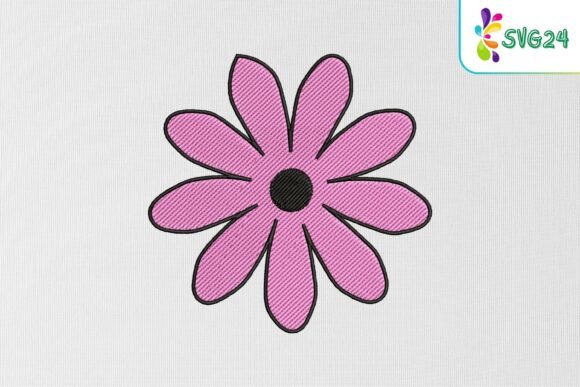
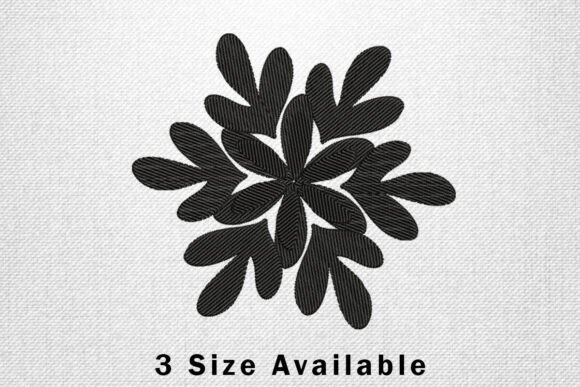
When I unzip an embroidery file for the first time, I'm not just looking at thread paths. I'm imagining how it stops a shopper mid-stride at a weekend market. The Modern Black Flower hit me with that exact voltage. It isn't a timid botanical sketch or a traditional pastel blossom. It's confident, graphic, and carries a playful but uncluttered whimsy that fits right into today's handmade aesthetic. The description promises a dash of charm for t‑shirts, towels, and home decor, and I see exactly where that charm lives: in bold black lines or a striking silhouette that refuses to get lost in a busy booth.
This is a single flower design from the Single Flowers Plants category, but it reads far more modern than your average daisy. The absence of color choices in the title suggests a design meant to be stitched in black thread — or perhaps a dark tone that acts as an anchor on any base fabric. That's a brilliant, booth-friendly move. In a sea of multicolored embroidery, a black floral pulls the eye like punctuation. It feels fresh, minimal, and premium, even before you touch the stitching.
Where the Modern Black Flower Shines at a Craft Fair
For the booth I'm building, I test every design across the core product lineup. Here's where Modern Black Flower earned its place without hesitation.
Tote Bags and Market Bags
A natural cotton tote with this design stitched large on the front is an instant bestseller. The black thread against unbleached canvas or optic white creates a high‑contrast, editorial look. It photographs beautifully for Etsy listings and draws people from across the aisle. I'd hoop a medium‑to‑large version centrally and let the clean lines do the talking.
Tea Towels and Kitchen Textiles
On flour sack towels or linen‑blend tea towels, the design adds modern farmhouse energy without feeling tired. A smaller placement near the bottom corner or a centered, oversized application both work. Test the stitch density on textured towels — a thick, thirsty weave can swallow fine details, so I'll run a prototype before cutting a dozen.
Aprons, Pillow Covers, and Home Decor
On a half‑apron or a canvas hostess apron, this black flower gives boutique‑level polish. Pillow covers in natural linen with the design positioned off‑center feel handmade in the best sense, not homemade. It’s an easy upsell for customers buying coasters or placemats who want a coordinated set.
Patches, Pouches, and Small Accents
Scaled down to patch size, the Modern Black Flower becomes a subtle embellishment on a zipper pouch, a cap brim, or a jean jacket collar. However, watch the fine details: if the original design includes thin stems or delicate petal cuts, reducing it below three inches might cause thread gaps or a mashed‑together look. Test on a patch-sized scrap and review spacing before committing to 50 units.
Production Smarts: What You Need to Know Before You Stitch
Good craft fair production isn't just about running a machine. It's about repeatability, waste reduction, and speed turned into profit. Here's how Modern Black Flower behaves when you start treating it like a product, not a sample.
- At‑a‑glance readability: The design communicates “flower” instantly. That matters when shoppers scan a wall of textiles. No squinting required — a quick glance sells.
- Scalability: The playful, modern character holds up as a large focal design, but I would always test the smallest recommended size on scrap to confirm that any interior negative space doesn't close up.
- Photographing for online listings: Black thread on pale backgrounds produces crisp, high‑contrast images that stop thumbs on Etsy. Include a lifestyle shot — a towel on a hook, a tote hanging against a brick wall — and the design’s personality sells itself.
- Batch production potential: Because the design likely uses a single dark thread color (check your file preview), you can run multiple pieces without frequent color changes. That cuts production time and reduces thread cost, which is a huge deal when you're pricing for market margins.
How the Design Affects Booth Display and Buyer Engagement
Display matters as much as stitch quality. A black flower acts like a bold graphic element on a table. When I arrange my booth, I use these designs as visual anchors — a crisp black‑stitched towel taller at the back, a tote leaning forward at eye level. It unifies a display without screaming “matchy.”
Buyer psychology here leans into modern, clean, and gender‑neutral. This isn't a frilly blossom. It appeals to people who want artisanal detail but a minimalist wardrobe or home. That widens your customer base immediately. I've seen shoppers gravitate toward black embroidery because it feels more “grown‑up” and wearable. On apparel, it reads like a custom print rather than traditional machine embroidery, which often surprises people in the best way.
Value perception also climbs. A tote with a well‑placed, solid black floral design can command a higher price than one with a faded all‑over print. It signals intentionality. And when a customer picks it up, the texture of the stitches — assuming you’ve managed stitch density properly — communicates quality they can feel.
Careful‑Use Notes for Problem‑Free Stitching
No design is a one‑click wonder. The Modern Black Flower comes with points you must respect if you want a professional finish.
- Dense stitch areas: If the floral motif uses solid fill in black, it can create a stiff patch on lightweight fabrics. Test on your chosen base and consider perforating or reducing underlay if the bundle offers digitizing control. If you're using a pre‑digitized embroidery file, just be mindful that heavy fill might require a cut‑away stabilizer and a lighter fabric test run.
- Tiny details and thin lines: Whimsical designs often include delicate tendrils or tiny detached petals. If yours does, those thin elements can vanish on textured towels or when stitched on pique knit. Stick to smooth, tightly woven substrates for the best outcome.
- Dark and textured fabrics: Black thread on navy, charcoal, or black fabric will almost disappear. I'd reserve this design for light to medium backgrounds — cream, oatmeal, soft grey, blush, chambray, or pale denim — unless you specifically want a subtle tone‑on‑tone look. Textured towels may cause fine lines to sink, losing the crisp edge that makes the design feel modern.
- Curved cap surfaces: If you plan to stitch this on ball caps, verify that the curvature doesn't distort the flower’s symmetry. Test on a pre‑curved bill and use a cap hoop. A small, simplified version often works better than the full‑scale design.
- Small lettering: The description doesn’t indicate text, but if your file version includes any lettering, check that it stays legible at the intended size. Busy market settings punish illegible words — a lost “handmade” tagline is a missed story.
Embroidery Designer’s Production Checklist
Even as a seasoned stitcher, I walk through these steps for every new design, especially one going straight into craft fair inventory. Treat this as your own pre‑launch tick list.
- Test on scrap fabric first. Never run a full batch without a stitch‑out. Use the exact substrate and thread you plan to sell.
- Check thread contrast. Pair the black thread with cream, white, or light pastel fabric swatches. Confirm that the design’s outlines and internal details pop.
- Review spacing and element isolation. If the flower has detached petals or floating dots, make sure the spacing holds at the intended size. No one wants a petal blob.
- Confirm the hoop size. Your embroidery file will specify requirements. Verify your hoop can accommodate the design with enough margin for repositioning on finished goods.
- Inspect stitch density. Look for stiff, cardboard‑like fills. If the final piece doesn't drape like the rest of the fabric, test a lighter underlay or a different stabilizer.
- Choose the right stabilizer. For flat items like totes and towels, a medium‑weight tear‑away usually suffices. For stretchy t‑shirts or anything likely to distort, switch to a cut‑away.
- Create a real mockup. Stitch one finished product, photograph it in natural light, and use it as your Etsy listing image. Customers trust real threads over digital previews.
- Compare fabric colors. Do a quick side‑by‑side on three different backgrounds. You might discover an unexpected winner — maybe a soft sage green makes the black flower sing louder than plain white.
- Confirm commercial licensing. Before selling any finished product, verify that the embroidery file license covers commercial use for physical items. The product description may not state this explicitly, so check the seller’s terms. This is non‑negotiable for boutique and market sellers.
- Archiving and repetition. Save your tested settings — thread tension, stabilizer type, speed — in a notebook or a digital production log. When you re‑order supplies or train a helper, that log pays for itself.
Final Verdict: Is Modern Black Flower Craft Fair Ready?
Absolutely — with the right execution. The Modern Black Flower is the quiet bestseller you might overlook if you're chasing rainbows. It offers a striking focal point for handmade products, photographs brilliantly, and cuts across age and style categories in a way that a bright pink rose simply can't. Its modern, playful, whimsical mood translates into product value: a $15 tea towel feels like a boutique find, and that’s the magic you want at a craft market.
Keep your fabric choice light, your stabilizer smart, and your stitch‑out tested, and this design will pull its weight from setup to sell‑out. For Etsy sellers, it promises clean listing images. For market stall owners, it anchors a display with timeless, edgy contrast. And for anyone who stitches it, the Modern Black Flower proves that sometimes the strongest statement comes from a single thread color, a solid floral shape, and a whole lot of confidence.