Craft Fair Gold: The Beautiful Flower Embroidery Design
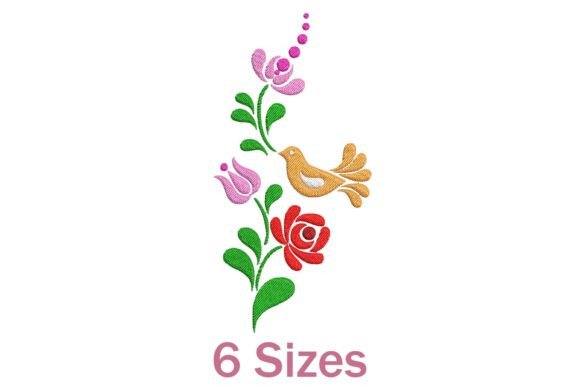
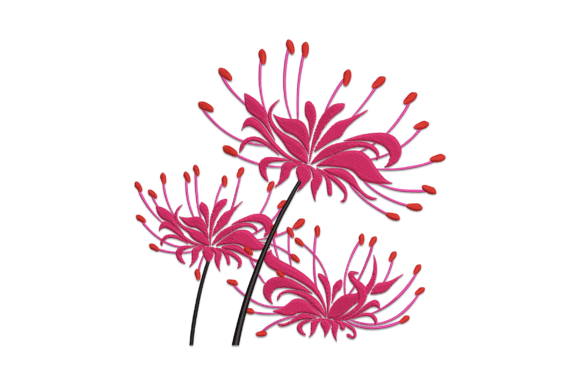
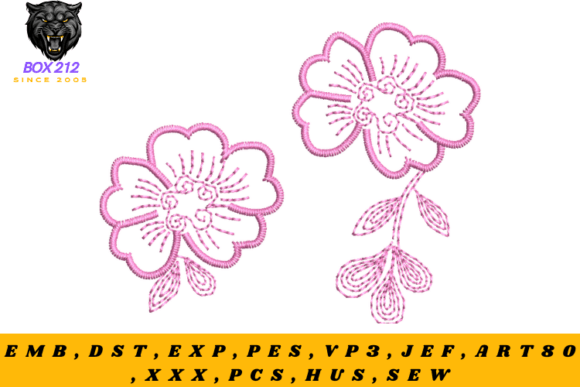
As an embroidery designer preparing for a weekend market, my first step is always to review a design not just as a digital file, but as a physical product. When I load the Beautiful Flower Embroidery Design, my immediate impression is one of elegant versatility. It isn’t overly rustic or minimal; it has a decorative, premium feel with a softness that suggests nature without being too bold or festive. This mood is crucial—it needs to translate across a variety of products on my display table, from aprons to pillow covers, and appeal to a broad range of customers.
Where This Design Will Stand Out on Your Booth Table
The real test of a machine embroidery design is how it performs in the real world of a craft fair. The Beautiful Flower Embroidery Design, with its intricate floral details, is inherently a focal point. On a crowded table, it won’t whisper; it will politely command attention. I envision it shining on a few key products that customers love to touch and examine.
Tote bags and market bags are a perfect canvas. The design’s scale likely allows it to be centered beautifully, creating a high-value, giftable item. For aprons and kitchen towels, it offers a sophisticated touch that elevates a utilitarian product, making it feel special and handmade. A single, well-placed flower on a fabric pouch or pillow cover can transform it from simple to standout.
One of my top strategies is to create embroidered patches using popular designs. A Beautiful Flower patch offers immense flexibility—it can be sold as a standalone item or applied to a cap, adding a layer of interactivity and customization that engages buyers. However, this requires careful consideration of the “intricate details” mentioned in the description.
The Practical Production Checklist
Turning a digital embroidery file into a profitable handmade product requires a practical eye. Before I stitch anything for my shop, I run through a critical list.
First, test on scrap fabric. This is non-negotiable. I need to see how the design behaves on the actual materials I’ll use: the textured surface of a tea towel, the curved crown of a cap, or the dense weave of a tote bag. This test reveals everything.
- Stitch density: Are the floral details so intricate that they create very dense stitch areas? On dark fabric or textured towels, this can affect clarity and require specific stabilizer choices.
- Scale and clarity: Does the design maintain its beauty at smaller sizes for an accent on a cap, or does it need to be larger to preserve its detail? Losing clarity at a small size is a common pitfall.
- Thread contrast: I compare fabric colors in advance. A design like this needs good contrast to pop. On a pale linen apron, it will be stunning. On a dark denim tote, I must choose thread colors wisely.
- Hoop size and spacing: I always confirm the recommended hoop size from the design seller. A mismatch can ruin the registration and spacing of those beautiful details.
Finally, I create at least one real mockup of my intended best-selling product—perhaps a tote bag. This mockup isn’t just for production; it’s my best photography asset for my Etsy listings and printable mockups. A design that photographs well, showing clean stitches and vibrant detail, sells online before it even sells at the fair.
Selling Power and Batch Production Considerations
For an embroidery business owner, a design’s repeatability is key. The Beautiful Flower Embroidery Design feels inherently repeatable for batch production. Its theme is universally appealing, and as a Single Flowers Plants design, it offers brand consistency if florals are part of your shop’s aesthetic. You can create a cohesive display of flower-themed items.
Its visual appeal directly boosts perceived product value. A well-executed, intricate floral on a simple tea towel makes that towel feel like a premium, handmade gift rather than a kitchen commodity. This increases buyer engagement at the booth—they stop to admire the craftsmanship.
However, the “intricate” nature requires attention. If the design has many tiny details or very small elements, stitching it repeatedly on thick fabric or curved surfaces might be slower, affecting your production rate for the fair. It’s wise to balance this design with simpler ones in your product lineup to ensure you can stock your booth adequately.
Essential Notes for Commercial Embroidery Success
Before you stitch a single item for sale, two final points are paramount. First, always confirm commercial licensing for the digital embroidery file. Not all designs are sold with commercial rights. This is a legal and ethical foundation for your small shop products.
Second, embrace the designer’s mantra: see it, stitch it, sell it. The journey from the Beautiful Flower Embroidery Design on your screen to a beautiful flower embroidered on a product in a customer’s hand is paved with practical tests. By checking contrast, density, scale, and fabric, you ensure that the stunning digital asset becomes a stunning finished product that captures the beauty of nature—and the attention of craft fair customers.