The Red Spider Lily: An Embroidery Designer's Craft Fair Review
A First Impression of Elegance and Intrigue
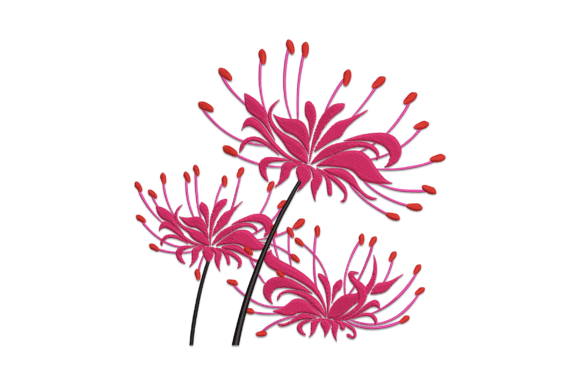
When preparing for a craft fair, the first glance a customer makes at your booth is everything. The Red Spider Lily design immediately strikes me as elegant and decorative. It doesn’t scream rustic or cute; it whispers premium. This is a design that adds sophistication, not just decoration. For handmade market products, that distinction is crucial. It elevates a simple item, suggesting a higher perceived value. In a sea of more generic florals, the unique shape and intricate details of this single flower plant design will naturally draw eyes.
Where This Design Stands Out on Products
My real-world table display planning starts with product placement. Here’s where I see the Red Spider Lily excelling and where caution is needed.
Prime Candidates for Maximum Impact
- Tote Bags & Market Bags: This is a top contender. The design has a natural focal point quality. On a solid-colored tote, especially a dark fabric like navy or black, the red lily will pop with stunning contrast, creating a high-end, boutique look.
- Pillow Covers: For home decor, this is ideal. The elegance translates perfectly to linen or cotton pillow covers, making them feel like curated, decorative accents rather than simple crafts.
- Aprons & Tea Towels: While many kitchen textiles lean farmhouse, this design brings a sophisticated touch to an apron or a high-quality tea towel. It appeals to customers looking for something uniquely beautiful for their home.
- Fabric Pouches & Giftable Items: Small pouches or clutches embroidered with this lily become premium gifts. The intricate details showcase handmade quality brilliantly on a smaller scale.
Considerations for Other Applications
- Embroidered Patches: This depends heavily on the final stitch count and density. If the design is highly detailed with many small elements, reducing its size for a patch might lose clarity. A larger patch could work wonderfully.
- Caps: Embroidering on curved surfaces requires careful stabilization. The design’s central focal point is good, but dense stitch areas on the crown could be challenging. Test first on scrap fabric similar to cap material.
- Small Accents: As a tiny design on a cuff or collar, it might lose its impact. The Red Spider Lily feels born to be a main feature.
Practical Production for the Craft Fair Seller
As an embroidery business owner, you’re not just making one item; you’re preparing for batch production for your booth. Here’s my on-the-ground advice.
Testing & Preparation Are Non-Negotiable
Before you run a dozen tote bags, create at least one real mockup. Use the actual fabric and stabilizer you plan to sell on. This design mentions “intricate details,” which often means higher stitch density. Check for puckering on your chosen fabric. Review thread contrast—a true red on dark fabric will glow, but on light fabric, it may need a darker or more saturated thread choice. Confirm the hoop size required from your embroidery file; you need to know if it fits your product’s dimensions.
Photography & Online Sales Potential
For your Etsy listings or digital shop, this design will photograph beautifully. Its clear focal point and elegance make for strong, clean printable mockups and photos. The “single flowers plants” category is popular, but this specific lily stands out. Ensure you photograph the finished product on items where the details are crisp—a well-lit tote bag photo will sell better than one where the stitches are lost in shadow.
Batch Production & Consistency
If the design runs well on your test, it can be a reliable repeatable design. The key is consistency in your setup: using the same stabilizer, fabric type, and thread brand for each item to maintain the handmade quality across all products. For commercial embroidery at a small scale, this is manageable.
Careful-Use Notes for a Smooth Selling Experience
To avoid fair-day disappointments, keep these technical points in mind.
- Fabric Texture: Textured towels or thick fabrics may obscure fine details. Stick to smoother, medium-weight fabrics for best results.
- Stitch Density: Intricate details can mean dense areas. This can lead to longer stitch times and potentially thicker, less-flexible patches on some materials. Your stabilizer choice is critical here.
- Small Sizing: I strongly advise against scaling this design down too much for small items. The elegance comes from its full expression; shrinking it might turn intricate details into a muddy blur.
- Commercial Licensing: The description states it comes with multiple embroidery file formats. Before selling finished products at a craft fair or online, you must confirm that your purchase includes a commercial license for selling handmade products. This is a fundamental step for any digital embroidery file.
Final Booth Strategy & Buyer Engagement
At the fair itself, this design strengthens your booth’s visual appeal. Display it on your best-value products—perhaps a beautifully made tote bag next to a matching pouch. This creates a story and suggests brand consistency. Customers notice cohesion. When they ask, “Is this on a pillow too?” you have the answer ready.
The Red Spider Lily isn’t just another floral; it’s a statement. It attracts customers looking for something special, which directly increases engagement and perceived product value. For the creative entrepreneur focused on premium handmade products, this design is a powerful asset. Its success hinges on your production preparation: test thoroughly, choose the right product canvas, and let its natural elegance do the selling.