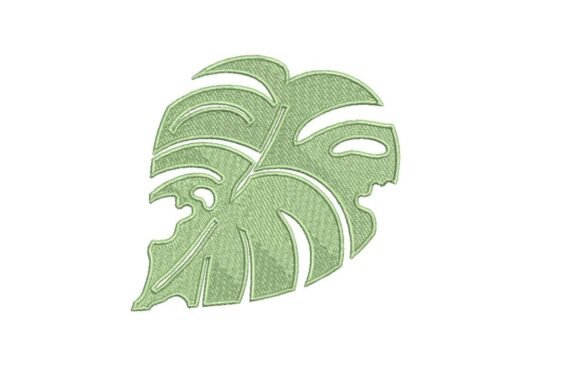
Tropical Leaf Embroidery Design: A Craft Fair Product Review
First Impressions: Elegant Simplicity That Sells
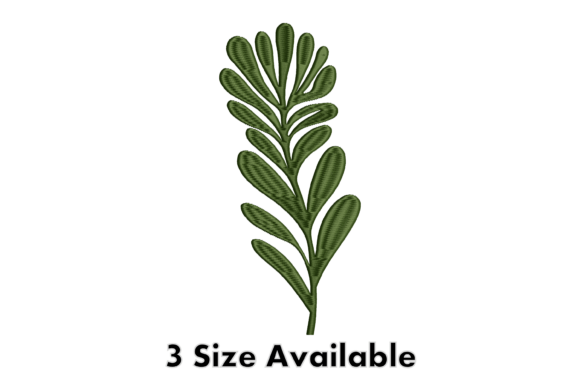
At first glance, Tropical Leaf reads as a smart, intentional choice for the handmade market. The name alone signals a botanical mood that lands somewhere between modern minimal and softly tropical. It isn't a loud, splashy floral or a cartoon palm—it feels more elegant, like something you'd spot in a boutique home goods shop. As an embroidery designer, I immediately picture this machine embroidery design stitched in a single, well-chosen thread color on a natural linen tote or resting quietly against a soft cotton apron. That kind of clarity is exactly what you want when your table at a craft fair has about three seconds to catch a shopper's eye.
Rather than overwhelming the customer with too many elements, Tropical Leaf relies on shape and flow. Its description promises a touch of the jungle, but it's a restrained, sophisticated touch. I'd classify the mood as botanical-chic—think airy, airbnbs, plant studios, summer kitchens. For sellers who build a whole brand around clean lines and nature-inspired handmade product lines, this design will slot right in. Even on a quick walk-by, it hints at quality and intentional design, which often translates to a higher perceived value at a craft fair product table.
Product Spotlight: Where Tropical Leaf Shines Brightest
Not every embroidery design pulls its weight across a range of handmade goods, but this one has real flexibility. After testing how the motif works in my head (and on scratch fabric), here's where I'd place it first in my booth:
- Tote bags & market bags: A single large Tropical Leaf stem, centered or placed off to one side, creates a striking tote bag design. It works beautifully on medium-weight canvas and feels instantly giftable.
- Tea towels & kitchen textiles: Tea towel embroidery is a craft fair staple. This leaf, stitched in a muted sage or terracotta thread, turns an ordinary flour-sack towel into a farmhouse-meets-tropics piece that shoppers pick up and hold.
- Apron accents: Apron embroidery often needs a motif that doesn't compete with straps or pockets. Tropical Leaf’s vertical, slender posture fits a bib apron perfectly, especially on the upper chest or lower corner.
- Pillow covers and home decor: Botanical-themed pillows are huge with boutique shoppers. One large motif, or even a mirrored pair, elevates a simple linen pillow cover into a commercial embroidery piece worth a premium price.
- Small pouches & giftables: Reduced in size, the design becomes a delicate accent on a zipper pouch, a fabric keychain, or a set of embroidered coasters. At a weekend market, small impulse-buy items with clean embroidery often outsell larger pieces.
I wouldn't push this onto highly curved cap surfaces without serious testing—large flat areas are its friend. But for patches, if you scale it down and adjust density, a simplified embroidered patch version could be a sleeper hit, especially pinned to a denim jacket display at your booth.
Practical Production Notes for Handmade Sellers
If you've been doing this long enough, you know that a pretty design on screen doesn’t always stitch pretty on a textured towel or a dark fabric. When I evaluate Tropical Leaf as a production-ready embroidery file, here's what I'm watching for and what I'd recommend to any Etsy seller or small shop product maker preparing for market day:
Understanding Scale and Hoop Logic
The design likely works best as a medium-to-large focal element. Trying to shrink it too small risks losing the elegant leaf veins and any subtle tapering that gives it life. I'd test the digital embroidery file at 4 inches, 5 inches, and 7 inches in height to find the sweet spot before committing to a batch. For a handmade product that relies on clean lines, even a slight loss of detail at smaller sizes can turn ‘elegant’ into ‘blob.’
Thread Colors and Contrast Decisions
I always test the design on scrap fabric in at least three thread choices. A single-color Tropical Leaf looks premium in a matte polyester thread—think olive, dusted gold, muted teal, or even a soft black on natural linen. Strong contrast against the fabric is crucial; on dark fabric, the design might recede unless you use a bright or metallic thread. I tend to avoid high-shine rayon for botanical motifs meant to feel organic, but that's a personal booth aesthetic. Keep your thread palette minimal and intentional, and the design will do the heavy lifting of looking expensive.
Stabilizer and Fabric Prep
For tote bags and tea towels, a good cut-away stabilizer is non-negotiable, especially if the stitch density involves layered sections. On a thin apron or a lightweight pillow cover, a tear-away with a water-soluble topper on textured fabric prevents the stitches from sinking. I'd be especially careful on thick, textured towels—I've learned the hard way that a smooth design surface matters more than the motif itself. A quick test on a fluffy towel can save you hours of seam ripping right before a craft show.
Careful-Use Considerations for Flawless Stitch-Outs
Every design has its quirks, and Tropical Leaf is no exception. Here’s my list of careful-use reminders based on similar botanical Single Flowers Plants Embroidery files I've run in the past. These notes are the difference between a finished piece you're proud to hang and one you stuff under the table.
- Dense stitch areas: If the leaf interior uses a heavy fill, hooping with adequate tension is critical. Dense sections can pull fabric and cause puckering on lightweight cotton. A fusible mesh stabilizer can help.
- Tiny details & small lettering: The description doesn't mention text, but if the file includes any delicate veins or a tiny brand tag, check them at 100% scale first. Details that look crisp on a printable mockup may close up when stitched.
- Curved cap surfaces: I wouldn't attempt this on a structured baseball cap front unless the design is heavily digitized for that shape. The leaf's organic curve could fight the cap's curvature. Stick to flat apparel or unstructured caps with a clamp frame.
- Dark fabric warnings: On black or navy, کا use a light thread and run a test stitch to ensure the outline and fill behave. You may need to increase the underlay or add a slight outline shift to maintain pop.
- Small scale clarity: Below 3.5 inches, test a single leaf segment first. The full tropical leaf might lose its elegant taper and start looking like an undefined shape. Resize only after you've confirmed what details remain.
I also make a point to do one full stitch-out, wash it, and let it dry before I list the product. If the design holds up through a gentle cycle, it’s a winner for tea towels and apparel. That durability is a silent selling point at a craft fair—shoppers who buy a tea towel embroidery piece love to know it can handle real use.
Maximizing Visual Appeal in Your Booth and Online
Craft fair success isn't just about the stitch; it's about how the finished product photographs and presents itself. Tropical Leaf has a major advantage here: its silhouette is instantly readable from a distance. I’d arrange a booth display with at least three items featuring the machine embroidery design in different scales and thread colors, so customers see the design as a coordinated collection rather than a one-off. A large tote hanging by the entrance, a pillow on a chair, and a folded tea towel in a basket tell a visual story that says ‘cohesive brand.’
For Etsy seller photography, this design demands natural light and simple styling. I'd shoot a tote bag design on a clean, sunlit background with a real monstera leaf or a slice of wood for texture, but nothing that competes. The printable mockup stage—if you create digital marketing images—works best when the design is shown on neutral fabrics with a slight shadow, so the leaf’s shape pops. When customers see these images online, they can instantly imagine the item in their own home, which increases the likelihood of a purchase.
At the booth itself, I’d use a small sign that reads “Botanical Embroidery” or “Nature-Inspired Stitching” to frame the story. The Tropical Leaf design fits squarely into a commercial embroidery aesthetic that appeals to shoppers looking for something both trendy and timeless.
Final Design Verdict for Craft Fair Success
After running through every product angle, Tropical Leaf earns its spot in my go-to design library. It isn't the boldest motif, but it's one of those workhorse embroidery file picks that makes smart business sense. It stitches out cleanly when scaled correctly, it photographs well for design assets and listings, and it carries a quiet versatility that means I can build multiple income streams around a single digital embroidery file—pillow covers, kitchen linens, gifts, and home decor.
Before you mass-produce, remember to confirm the hoop size requirements, verify your stitch density with a test run, and double-check the commercial embroidery license if you plan to sell finished items. Many craft fair vendors overlook this step, and it's essential for a legit small business. Once those boxes are ticked, Tropical Leaf is ready to turn heads at your next handmade market, one elegant stitch at a time.