Floral Outline Set: A Designer's Field Test
First Impression That Stops You Mid-Scroll
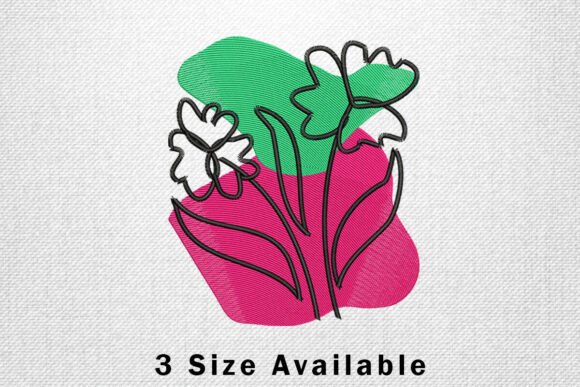
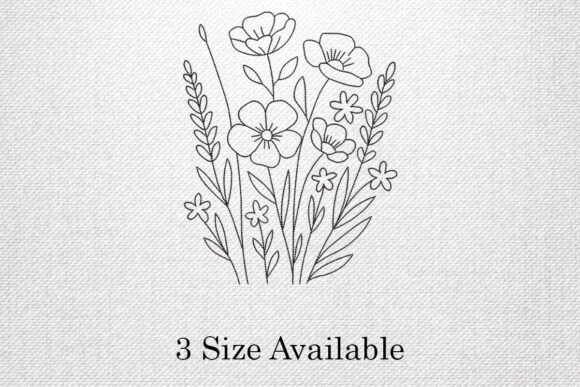
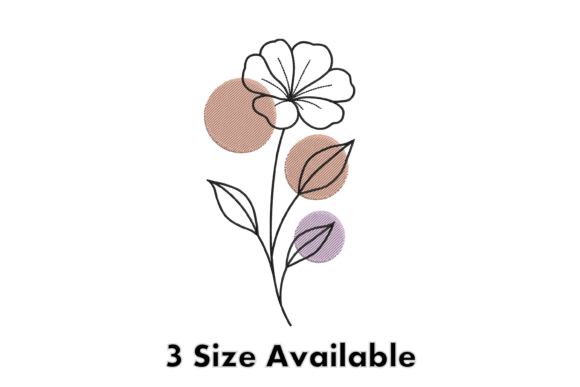
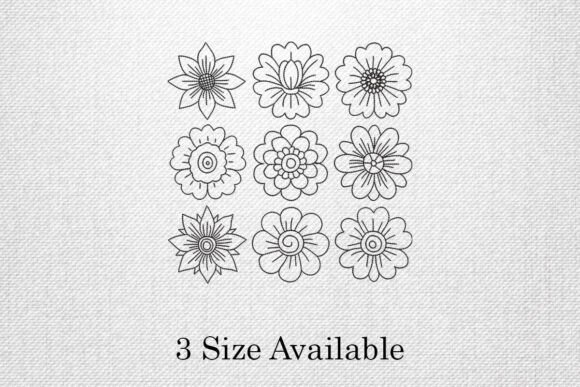
I opened the Floral Outline Set preview and immediately felt a sense of airy restraint. That is not something I say often about floral embroidery designs. Many floral packs try to impress with density, layered petals, and heavy fills that scream for attention but end up stiff on fabric. This set takes a different path entirely. The outlines breathe. The shapes feel botanical without being botanical textbook illustrations. There is a sketched, almost hand-drawn quality that reminds me of the line work you would see in a vintage garden journal or a delicate pen-and-ink study. It does not try to be a photograph of a flower stitched in thread. It tries to capture the gesture of a flower, and that distinction is everything when you are deciding whether a design will elevate a product or just decorate it.
If you stitch embroidery for a living or sell finished goods, you know exactly what I mean. Some designs look great on a screen but translate into something heavy, plasticky, or oddly formal once the needle hits the fabric. The Floral Outline Set feels like it was conceived by someone who understands that negative space is not emptiness. It is an active design element. The flowers and leaves leave room for the base fabric to become part of the composition. On natural linen, that means the weave shows through and adds texture. On a soft cotton tee, the fabric becomes the petal color. That is a clever economy of thread and a smarter design sensibility than many over-digitized floral packs I have tested.
How It Landed In My Studio This Week
I had a batch of natural canvas tote bags on my worktable, destined for a small boutique order. The client wanted something botanical, not too sweet, not too rustic, and definitely not the heavy applique style that stiffens the front panel into a board. I pulled up the Floral Outline Set and started auditioning placements. A trailing stem-and-leaf motif along the bottom edge. A clustered trio near the top corner. A single bloom centered below the handles. Every arrangement I tested in my placement software looked intentional and light. The outline style meant the tote would remain soft and drapable after stitching, which is a huge practical consideration for bags that people actually carry, fold, and wash.
I stitched the first sample on a medium-weight canvas with a mid-gray thread on the natural fabric. The result surprised me in the best way. The design did not shout. It whispered with confidence. The lines were clean, the registration was precise, and the stitching moved quickly because there were no large fill areas to slow down the machine. From hoop down to trim, the whole piece finished in under twelve minutes. For a production run of thirty totes, that time savings is real margin. If you are an Etsy seller or craft fair vendor calculating your hourly return, the speed advantage of well-digitized outline embroidery is not trivial.
Where The Floral Outline Set Truly Belongs
After the tote test, I started mentally slotting this design into other product categories. Outline flowers are not universal workhorses. They have a specific aesthetic lane, and when you put them in the wrong context, they can look sparse or unfinished. But in the right context, they are magnetic. Here is where I would confidently use the Floral Outline Set based on what I saw in stitch tests:
- Linen kitchen towels paired with a single stem in charcoal or dusty blue thread. The outline style preserves the absorbency and drape of the towel without creating a stiff patch.
- Unisex sweatshirts with a small chest placement. Outline flowers on fleece avoid the heavy, heat-trapping feel of dense embroidery on a garment people want to live in.
- Baby onesies and muslin swaddles where softness against delicate skin is non-negotiable. Light running stitches with minimal fill mean zero irritation on the reverse side.
- Canvas aprons for boutique coffee shops or florists. The botanical line work reads as intentional branding, not random decoration.
- Pillow covers in natural tones for nurseries or minimalist living spaces. The outline flowers add interest without competing with other patterns in the room.
- Lightweight summer tees where heavy embroidery would sag or pucker. The reduced stitch count keeps the garment hanging properly.
I would pause before using this design on dark fabrics without testing thread contrast first. Outline stitches rely entirely on visibility. If your thread blends too closely with a charcoal or deep navy base, the delicate line work can disappear. That is not a flaw in the design. It is a reality of the outline category. Test on scrap in the exact thread-and-fabric combination you plan to sell. A medium contrast almost always reads better than either extreme match or stark contrast. Think soft sage on oatmeal, terracotta on cream, or slate blue on light denim.
The Practical Test Every Designer Should Run
Before I commit any design to a client product or a shop listing, I run what I call the three-surface check. The Floral Outline Set passed two with flying colors and earned a note of caution on the third. On smooth, medium-weight cotton, the stitch definition was crisp and the outlines held their curves without distortion. On a lightweight linen blend, the design settled beautifully into the fabric texture and gained an almost letterpress quality. On a thin rayon jersey, I had to adjust my stabilizer strategy significantly. The running stitches wanted to tunnel slightly, which is common with any outline-heavy design on stretchy knit. I solved it with a medium-weight cutaway stabilizer and a light spray adhesive to hold the fabric flat during hooping. No visible tunneling in the finished piece, but it took a test run to dial in. If you plan to use the Floral Outline Set on stretch apparel, do not skip this step. Your customers will notice if the lines wobble.
Thread color selection matters more here than it does on filled designs. With no satin columns or fill areas to create visual weight, the thread is the entire presence of the design. I tested the same flower in four different thread finishes. A matte cotton thread gave it an heirloom, hand-embroidered look that would command a higher price point on artisan goods. A standard polyester embroidery thread produced a slightly shinier line that read as more commercial but also more durable for items getting frequent laundry. A variegated thread added movement that transformed the simple outlines into something far more dynamic without adding stitch complexity. And a fine metallic thread on a holiday tea towel sample looked surprisingly elegant, though I would reserve that for decorative pieces rather than daily-use items.
How Buyers React To Outline Style Embroidery
After years of selling embroidered goods at markets and online, I have learned that customers react emotionally to texture and subtlety more than they react to visual loudness. The person who picks up a tote with outline flowers and runs their fingers over the stitching is feeling something different than the person looking at a heavily filled design. There is a gentleness that reads as handmade even when it is produced on a multi-needle machine. That perception matters for pricing and positioning. Products made with the Floral Outline Set can sit in the elevated-handmade tier without the customer questioning whether a machine was involved. The light stitch footprint keeps the focus on the overall item rather than on the embroidery as a separate, heavy addition.
This is also the kind of design that photographs well in lifestyle mockups. Flat lays with dried botanicals, styled shots near a sunlit window, or simple product-on-white backgrounds all let the line work read clearly. If you sell digital embroidery files or offer custom stitching services, your listing images need designs that look crisp and legible at thumbnail size. Outline flower sets tend to perform better in search-heavy marketplaces because the silhouette registers instantly, even on a phone screen. That is a practical business consideration worth factoring into your design library decisions.
Small Hoop Considerations And Stitching Limits
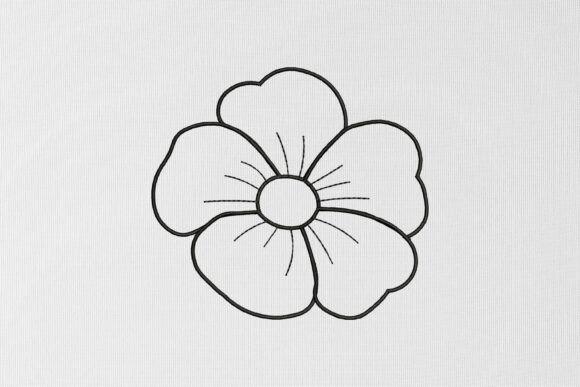
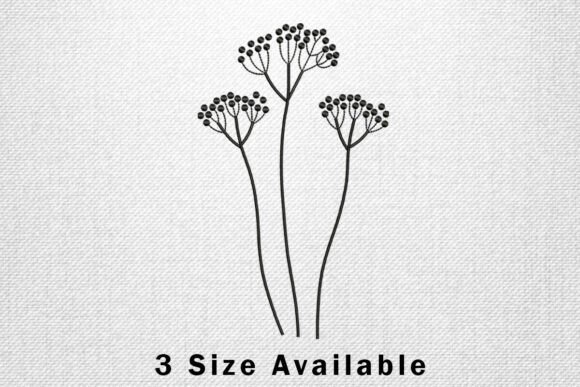
One thing I always check with any outline design set is how well the individual elements scale down. The Floral Outline Set includes motifs that hold up reasonably well in smaller sizes, but I would not push anything below two inches in the longest dimension without testing. Fine lines that look delicate at three inches can become illegible at one inch, especially on textured fabrics where the thread sinks slightly into the weave. Baby garments and hat placements often demand tiny embroidery, and this is where I would selectively pull only the simplest single-bloom elements from the set. The more complex multi-stem compositions need room to breathe. Give them at least three to four inches of space, and they will pay you back with clarity.
Hoop size is another checkpoint. The designs I tested fit comfortably in a standard four-by-four hoop, but I cannot confirm exact dimensions for every file in the set without the original specifications. Verify the hoop requirements before purchasing if you are running a single-needle machine with a small embroidery field. There is nothing more frustrating than buying a design you cannot stitch without re-hooping or splitting.
Stabilizer Tactics Worth Knowing
Because the Floral Outline Set uses predominantly running stitches with minimal fill, the stabilizer strategy shifts compared to dense designs. On woven fabrics, a medium tear-away stabilizer handled everything cleanly and removed without disturbing the stitches. For knits and anything with mechanical stretch, I preferred a lightweight cutaway that would stay in the garment permanently but remain soft against the skin. One pleasant discovery was that the outline-only stitch structure meant the reverse side of the embroidery was remarkably flat and non-abrasive. If you make baby items, sensory-friendly apparel, or anything worn directly against the chest or back, this is a genuine selling point you can mention in your product descriptions.
Licensing And Commercial Use Awareness
As with any embroidery design purchase, do not assume commercial rights are included. The description for Floral Outline Set mentions embellishing t-shirts, towels, and home decor, which suggests personal and potentially small commercial use, but you need to verify the specific license terms before you stitch finished products for sale. Can you use it on items listed in your Etsy shop? On wholesale orders? On products that carry your brand label? These answers come from the license documentation, not from assumptions. If the terms are not clearly stated, reach out to the designer or platform before investing in production. I always document my license permissions for every design file in my library so there is never a question during a client audit or a marketplace review.
A Quick Note On File Formats And Stitch Data
I did not receive exact file format information, stitch count data, or hoop size specifications with the Floral Outline Set product listing. That is not unusual, but it means you should confirm these technical details before purchasing. Check whether the set includes the format your machine requires. If you sell digitized products, confirm that the files are clean, properly mapped, and free of unnecessary trims or jump stitches that could slow down production. A test stitch on scrap fabric is always the final authority. No preview image, no matter how detailed, can tell you how the design actually sews out on your specific machine with your preferred thread and stabilizer combination.
Who Should Add This To Their Library
If your product line leans toward natural textures, muted color palettes, botanical themes, or minimalist home goods, the Floral Outline Set fills a versatile niche. It works as a standalone focal point and also layers beautifully with lettering or monograms for personalized gifts. I can see it thriving in a wedding season collection on linen handkerchiefs or napkins, in a holiday line on rustic stockings or table runners, and in everyday apparel where the customer wants something pretty but not precious. Boutique owners looking to differentiate from the heavy, shiny embroidery that floods craft markets will find a lot to like here.
Hobbyists who want a forgiving design to build confidence on their machine will appreciate the quick stitch time and the easily correctable nature of running stitch outlines. If a line goes slightly off, it is far less noticeable than a misregistered fill. That makes the Floral Outline Set a solid choice for anyone still learning hooping technique or tension adjustment.
Outline flowers have been a quiet mainstay in embroidery for decades, and the reason is simple. They do not try too hard. They let the stitcher, the fabric, and the finished product share the spotlight. The Floral Outline Set understands that balance, and in a market crowded with designs that overpromise and under-deliver, that kind of thoughtful restraint is worth more than a thousand extra stitches.