Abstract Floral Line Art: A Designer’s Honest Review
As someone who stitches for a living, I’m constantly sifting through machine embroidery designs on Creative Fabrica, searching for files that deliver both visual charm and real-world reliability. When I landed on Abstract Floral Line Art, I saw a borderline perfect candidate for the kind of playful, whimsical projects my customers ask for: tote bags, baby blankets, aprons, and apparel with a light, artistic touch. The official product description reads: “Enhance your fabrics with a dash of charm using this cool embroidery design. Ideal for t-shirts, towels, or home decor, it adds a playful and whimsical touch wherever you need it.” That’s a promising start, but as any experienced embroidery designer knows, promises only go so far. I needed to mentally stitch this design through a dozen scenarios before hitting the download button. Here’s my honest take—built from years of turning digital embroidery files into profitable finished products.
First Impressions: Line Art That Speaks Softly
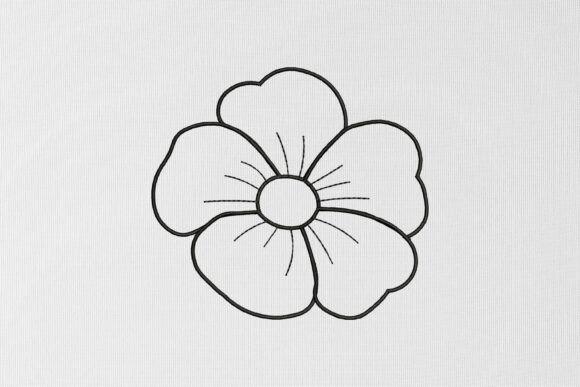
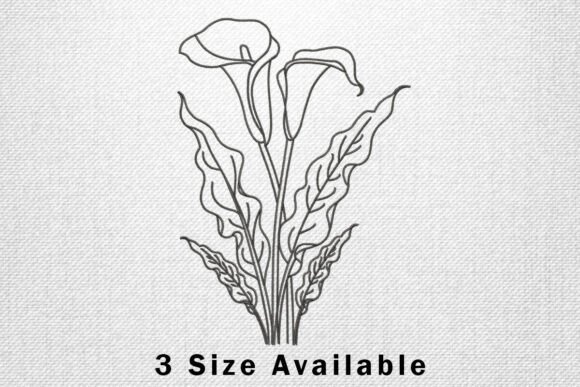
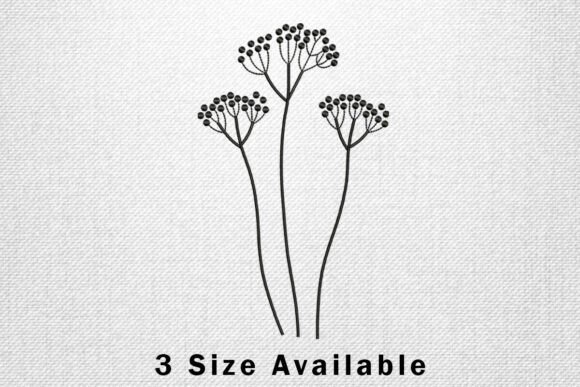
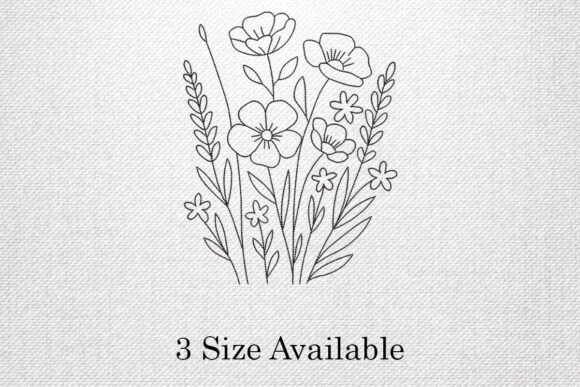
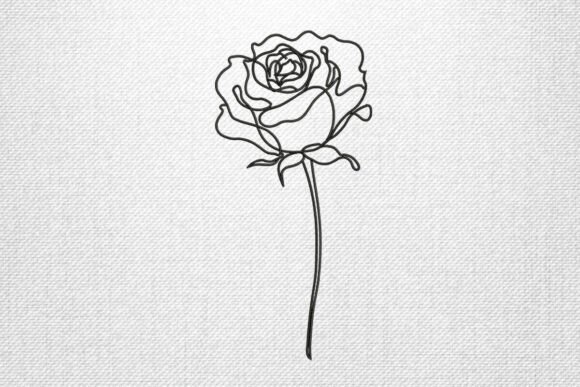
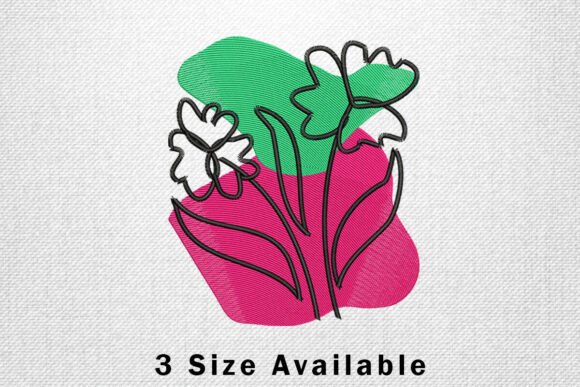
Straight away, Abstract Floral Line Art reads like a breath of fresh air. The category on Creative Fabrica lists it as Outline Flowers, and that fits like a glove. This is an embroidery design built on delicate running stitches and airy contours—no heavy fill blocks, no dense satin borders that make your machine groan. The abstract floral shapes swirl and loop with a modern boho personality, feeling more like a hand-drawn sketch than a rigid digitized motif. Because the stitch count likely stays low (you’ll want to verify the exact specifications on the product page), stitch-outs run quickly and the back of your fabric stays soft—exactly what you want for baby items and lightweight T-shirts.
The whimsical mood is undeniable. I could already imagine it anchoring a naturally dyed tote bag or adding an unexpected detail to a linen apron. The design’s outline-heavy structure also opens up creative play: you can stitch it in a single monochromatic thread for a minimalist look, or switch colors mid-stream to highlight different floral elements. For a handmade shop owner chasing that boutique aesthetic, this embroidery design immediately suggests versatility.
Where Abstract Floral Line Art Truly Shines
Let’s get practical. In my studio, every design has to earn its keep across multiple product types. Abstract Floral Line Art passes that test with ease because of its lightweight composition. On custom apparel like sweatshirts and T-shirts, it layers comfortably without turning into a stiff shield. I see it working wonders on a crewneck sweatshirt, stitched in soft cream thread over heather gray—understated but uniquely you.
For Etsy sellers and craft fair vendors, this machine embroidery design is a ready-made crowd-pleaser. Picture it centered on a cotton pillow cover, where the organic lines echo botanical prints. Tote bags become instant conversation pieces; the design sits beautifully on canvas, especially when paired with a contrasting thread color. I’d also trust it on kitchen towels, as recommended in the description. Because the design’s mostly running stitches, it absorbs less water and dries with the towel rather than fighting it. That’s a detail customers appreciate when they pull a towel off the rack.
Don’t overlook baby blankets and nursery decor. The gentle curves of Abstract Floral Line Art feel safe and sweet, never harsh. A single placement in a corner of a muslin swaddle or a tiny bib can push a simple item into giftable territory. Even on caps—yes, curved surfaces—the design’s lack of dense fill means you can often fit it into a small hoop and follow the curve without massive distortion, provided you use the right stabilizer.
Performance on Different Fabrics and Surfaces
I always test mental prototypes on light versus dark fabric, stretchy versus woven. With Abstract Floral Line Art, the results are promising. On light fabrics like white cotton or pastel linens, the outline pops clearly even with a single run of 40-weight thread. On dark fabrics—think black denim or a navy sweatshirt—you’ll need a thread color that offers strong contrast; a metallic or bright matte polyester can turn the design into a star. The beauty of a line art embroidery file is that you aren’t battling large fill areas that can sink into textured fabrics.
Stretchy fabrics (jersey, interlock, performance blends) demand a stable hand. I’d pair the design with a quality cutaway stabilizer to prevent puckering around those fine lines. Because the stitch density appears lower than an average filled design, there’s less pull on the knit, which reduces warping. For textured fabrics like terry towels or waffle weave, the key is to ensure the running stitches don’t disappear into the pile. A topping of water-soluble stabilizer is your friend here; once rinsed, the line art stays crisp.
Curved surfaces such as caps introduce their own headaches, but this embroidery design’s open nature actually helps. The minimal stitch count means you’re less likely to crush the cap’s structure. Just double-check the finished design dimensions on the Creative Fabrica product page to confirm it fits your smallest hoop—some outline floral files can be surprisingly large, so I always verify before buying.
Adding Tangible Value to Your Handmade Products
Why choose Abstract Floral Line Art over another floral embroidery file? For me, it comes down to elevated simplicity. Buyers of handmade goods often gravitate toward pieces that look thoughtfully designed, not mass-produced. This outline flowers design has an artisan quality that amplifies product value. A simple tote becomes a curated boutique item. An apron transforms into a memorable housewarming gift. The subtle whimsy invites customers to linger on your product photography, imagining the piece in their own homes.
From a branding perspective, delicate line art holds together beautifully across collections. You could build an entire suite of products—towel, pillow, pouch, wall hanging—around this one machine embroidery design, and the cohesion would feel intentional. Your Etsy listings would tell a consistent visual story, and that kind of brand consistency builds buyer trust fast. I also love that this design photographs well: the fine stitch detail catches light in a way that solid fills don’t, creating a soft texture ideal for printable mockups and social media close-ups.
Let’s talk commercial embroidery. If you’re selling finished pieces at markets or online, the file feels like a safe investment. You’ll want to double-check the licensing terms on the Creative Fabrica product page before selling stitched items, but Creative Fabrica’s standard commercial use often covers small-batch handmade products. I always do a quick read to confirm, because nothing spoils a beautiful embroidered patch or set of tea towels like a licensing worry.
Practical Embroidery Tips Before You Stitch
No design is foolproof, and Abstract Floral Line Art requires the same thoughtful prep any professional embroiderer would apply. Always test on a scrap of the actual fabric beforehand. I keep a square of canvas and a square of jersey next to my machine for exactly this purpose. Check how the running stitches lay—sometimes a digitized outline can get pixelated at smaller sizes, so stitch at the intended scale first.
Thread color selection matters hugely. A pastel thread on natural linen whispers, while neon thread on black transforms the design into something entirely different. I like to run two small tests: one on light fabric, one on dark, to see which combination best matches my product line. Stitch density is another point to review. Even with an outline design, overly tight sections can cause needle breaks or fabric puckering. If you notice issues, your machine’s density adjustment can soften the run—but I rarely need that with well-digitized line art files.
Confirm your hoop size matches the design dimensions. The product page doesn’t list exact measurements here, so I always grab a ruler and physically check that my hoop comfortably holds the embroidery file without crowding. Use a proper stabilizer: a medium-weight cutaway for apparel, a tear-away for structured bags, and a no-show mesh for lightweight linens. Once the design finishes, inspect all the tiny connections—especially where flower petals join—to make sure no thread breaks occurred.
Lastly, if you plan to sell products featuring this design, verify the file formats available on Creative Fabrica. While most machine embroidery designs now come in DST, PES, EXP, and others, I always confirm my machine’s required format is listed. It takes twenty seconds and saves hours of frustration.
Is Abstract Floral Line Art Worth Your Next Project?
For the embroidery designer who balances creativity with commercial sense, Abstract Floral Line Art earns a permanent spot in my digital design library. It’s not the design you pick when you need heavy coverage or a bold patch that screams. It’s the design you reach for when you want to infuse a product with quiet charm, when a customer asks for something “different and delicate,” or when you’re building a cohesive product line around modern floral outlines.
I can easily see this design stitched onto a linen apron for a spring market, paired with a minimalist sweatshirt for a boutique pop-up, or added to a baby blanket that becomes a cherished gift. The file respects small hoop sizes, stitches out cleanly on a variety of textiles, and hangs onto that playful, whimsical character even after repeated washing—provided you’ve prepped correctly.
As with any digital embroidery file, your mileage depends on your setup. Test, tweak, and then trust this outline flowers gem to deliver. The designers behind Abstract Floral Line Art clearly understood that less can be more, and for embroiderers like us, that’s a quiet, confident gift.