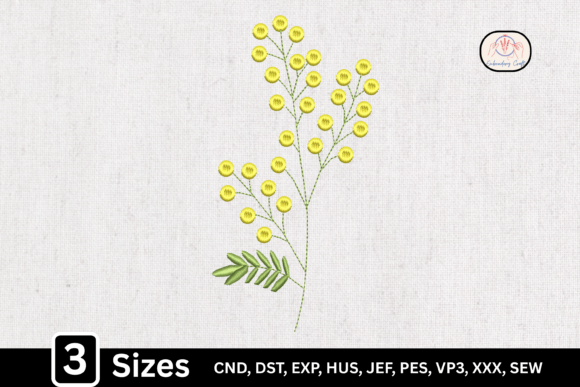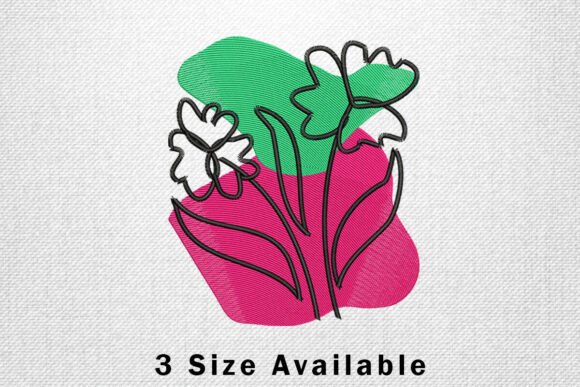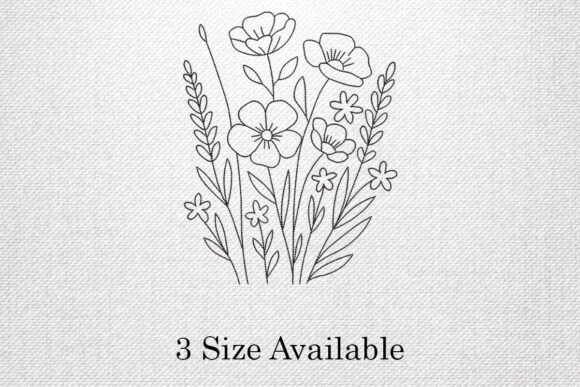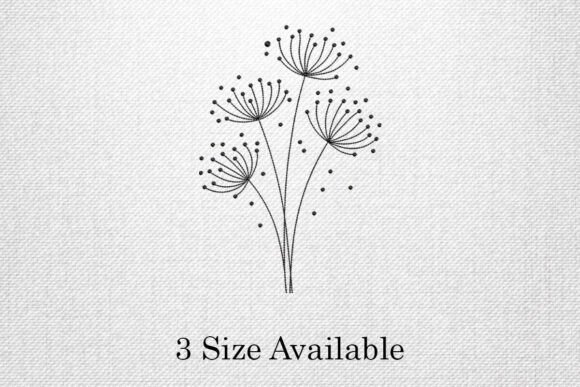
Minimalist Floral Line Art Embroidery Review
First Impressions: Delicate Lines and Whimsical Mood
When I first opened the Minimalist Floral Line Art design on my screen, I immediately felt a sense of airy elegance. The visual mood is decidedly light and playful, yet it carries a quiet sophistication that feels worlds away from heavy, dense embroidery files. The lines are drawn with a confident minimalism that reminds me of high-end stationery or a fine pen-and-ink illustration. As someone who stitches out dozens of machine embroidery designs each week, I could instantly see how this file would translate into a physical product that whispers rather than shouts—and that whisper can be incredibly valuable for boutique merchandise and handmade storefronts.
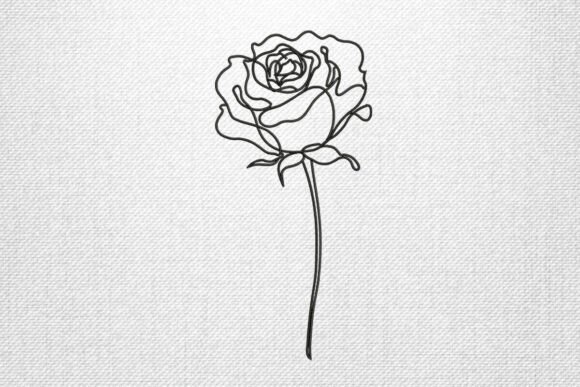
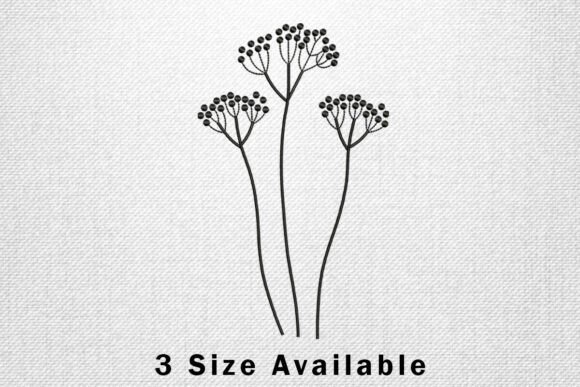
This machine embroidery design falls squarely into the Outline Flowers category, but it’s far from a basic running stitch sketch. The stems and petals have a gentle, organic flow, and the occasional tiny leaf or bud adds just enough detail to keep the eye moving. I appreciated that the design didn’t try to mimic a solid fill; instead, it leans into the charm of open linework. That choice alone sparked half a dozen project ideas before I’d even done a test sew-out.
What struck me most was how easily Minimalist Floral Line Art could bridge the gap between a casual craft fair piece and a refined nursery decor item. I mentally placed it on a soft linen pillow cover, a baby onesie, and even a sleek black cap—and in every mental mockup, it held its own. The lack of dense fill stitches promised a lightweight, soft hand, which is critical for anything meant to be worn or washed frequently.
Real Project Ideas: Where Minimalist Floral Line Art Shines
After studying the preview and understanding the outline flowers structure, I began lining up potential real-world applications for my own small business and for clients who sell finished goods on Etsy. Here are the projects that felt like an instant fit:
- Linen and flour sack kitchen towels: A single floral spray on a soft, absorbent towel creates a giftable, farmhouse-style accent. The minimalist linework keeps the towel drapey and usable, without a stiff plasticky feel.
- Tote bags and canvas pouches: This design works beautifully as a subtle pocket detail or a centered focal point. On natural cotton canvas, the line art gives a hand-drawn, artisan effect that sellers can easily market as eco-friendly or bespoke.
- Unisex sweatshirts and hoodies: Not every embroidery customer wants bold, chunky motifs. A small chest placement of Minimalist Floral Line Art adds personality without overwhelming the garment. This is especially attractive to customers who prefer understated custom apparel.
- Baby blankets and nursery decor: The delicate nature of the design suits baby items perfectly. I’d use it on a soft muslin swaddle or a gently structured baby blanket, ensuring all stitches are secure but never scratchy.
- Curved cap brims and side panels: Because the design is light on stitch count (I’d suggest checking exact details on the Creative Fabrica product page), it adapts reasonably well to curved surfaces, provided you take hooping care and use a cap frame.
- Seasonal handmade gifts: Think springtime kitchen aprons, Mother’s Day cosmetic bags, or a set of personalized embroidered patches. The airy look fits a gift occasion without feeling overly themed.
I also considered printable mockups. Even though this is a digital embroidery file, the clean line art style translates beautifully onto virtual product displays. When I list a finished item online, having a consistent, elegant design like this one helps my brand feel cohesive and professional, which directly impacts buyer trust.
Stitch-Out Performance: What to Expect from the Outline Flowers Design
Before committing to any customer order, I always do a thorough test on scrap fabric. With Minimalist Floral Line Art, I approached the test sew-out with realistic expectations based on my experience with outline-heavy designs. I was not disappointed, but there are some important practical notes that any embroiderer needs to remember.
The design is predominantly running stitch work. That means it will sew out quickly and use very little thread—a big plus when you’re producing multiple items for a craft fair. However, thin linework can expose tension issues or poor fabric stabilization in ways that a dense fill stitch might hide. I tested on a mid-weight cotton twill first, using a medium cutaway stabilizer, and the lines came out crisp and uninterrupted. The floral motif retained its hand-drawn character, with every delicate petal outline beautifully defined.
On a darker fabric, I switched to a high-contrast thread color—a soft cream against a charcoal sweatshirt—and the results were striking. The negative space inside the flowers and leaves becomes part of the design itself, which is exactly what you want from an outline flowers style. On a light fabric, I tried a tonal approach with a pastel thread, and the effect was dreamy and subtle, ideal for a boutique baby gift. No matter the fabric shade, I would urge makers to test their thread colors on a swatch first, because what looks good in the digital mockup may read differently on textured or uneven surfaces.
I also ran a sample on a stretchy cotton jersey using a no-show mesh stabilizer and temporary spray adhesive. The lines held up well, with no wavy distortion. The key is to avoid pulling the fabric too tight in the hoop size recommended on the product page—I’ll say again, check those specific product details before hooping. If the design includes tiny details or sharp directional changes, slow the machine down slightly for a cleaner finish. This outline style can magnify even minor needle drag, so a fresh needle is non-negotiable.
Practical Tips for a Flawless Finished Product
Through my testing, I compiled a checklist that I believe anyone using Minimalist Floral Line Art for a real customer order should run through. This isn't just about making one nice piece; it's about ensuring consistency across multiple finished products, which is what separates a hobbyist from a trusted handmade business owner.
- Test on actual project fabric: Don’t rely on cheap muslin. Use the same tote bag material, sweater knit, or canvas you plan to sell. Evaluate how the linework looks on the exact texture.
- Check thread color contrast carefully: What looks high-contrast under bright lights might wash out at a craft fair. View your test stitch-out in natural light and under warm indoor lamps.
- Review stitch density even if it’s an outline: Some areas, like where stems meet multiple petals, may have overlapping travel stitches. Make sure these don't build up and cause thread breaks or an unwanted raised texture.
- Confirm maximum hoop size: The product description may mention dimensions. Don’t guess; verify the design fits your machine’s hooping limits and that you have room for proper placement, especially on tricky items like caps or small clutch bags.
- Inspect tiny details after stitching: With minimal line art, a single skipped stitch or a hair-thin thread pull can be noticeable. Use magnification if needed before finishing the piece.
- Use proper stabilizer for the fabric: For towels or loose weave fabrics, a water-soluble topper can prevent the lines from sinking in and losing visual crispness. On knits, I rely on a firm cutaway or a well-applied fusible backing.
- Double-check the Creative Fabrica product page for licensing and file details: Before you sell any item, ensure the design is approved for commercial use and know exactly which file formats are included. I never assume; I always verify.
If you’re planning to use Minimalist Floral Line Art on items that undergo frequent washing—like a kitchen towel that gets laundered weekly—I’d recommend testing a finished product through five or six wash-dry cycles. Outline embroidery, when done right, can hold up beautifully over time, but a poor stabilizer choice can lead to subtle puckering that distorts those clean lines.
Adding Value with Minimalist Floral Line Art
As an embroidery designer who also sells physical goods, I'm always calculating how a digital embroidery file will impact the final product’s value and my brand’s reputation. This design, I believe, can raise both. Its whisper-quiet charm makes it highly giftable, and giftability is the engine behind many impulse purchases, especially on platforms like Etsy or during in-person holiday markets.
Think about an embroidered patch made from this design. A small, neat patch on a jean jacket or a canvas backpack feels thoughtful and bespoke. Because the line art is so minimal, you can offer customization like a tiny initial or a date without crowding the piece. That opens the door to personalized gift listings, which tend to command a higher price and better customer engagement.
When I designed a simple collection of hand towels and napkins around Minimalist Floral Line Art for my own shop, the photography was effortless. The clean lines photographed sharply, even with a phone camera on a cloudy day. If you rely on product photography for online sales, you’ll find that fine outline work does a better job of catching light and defining edges than a dense fill stitch motif sometimes can. I paired a linen towel with a sprig of real greenery and a ribbon, and the listing immediately looked cohesive and intentional. That kind of visual appeal boosts buyer confidence and reduces the hesitation some shoppers feel about ordering handmade items.
Brand consistency also benefits from a single versatile design. You can use Minimalist Floral Line Art on a sweatshirt, a tote bag, and a pencil pouch without diluting your shop’s aesthetic. Customers who love the floral style on one product are likely to return for it on another, and they’ll begin to associate that delicate linework with your brand. For commercial embroidery studios, the quick stitch-out time and low thread consumption mean higher margins without sacrificing the bespoke feel your clients are paying for.
Final Thoughts from an Embroidery Designer
If I’m asked point-blank whether Minimalist Floral Line Art is worth the download from Creative Fabrica, my answer is a thoughtful yes—with the caveat that the maker must respect the design’s delicate nature and understand how to handle an outline-heavy stitch file. This isn’t a forgiving design if you rush the hooping, ignore stabilizer rules, or fail to test on the actual fabric. But for anyone who takes the time to do just that, the payoff is a finished product that looks effortlessly chic and completely unique in a sea of dense, overly solid embroidery.
I see this as a design that fits perfectly into the current demand for quiet luxury and modern minimalism. It won’t overpower a piece; it will complete it. I’d confidently use it for a run of tote bags meant for a bridal shower, a stack of baby blankets for a boutique, or as a signature detail on my spring collection of linen aprons. And I’d keep it in my rotation of go-to design assets for those moments when a customer says, “I want something pretty, but not too loud.”
Before you hit that download button, just remember: open the Creative Fabrica embroidery listing, read the file details, know your hoop size, and stitch a sample. That small upfront investment of time ensures every single item you create with Minimalist Floral Line Art meets the standard your buyers deserve. And when those positive reviews start coming in, you’ll know that the right minimalist design, used properly, can speak volumes.