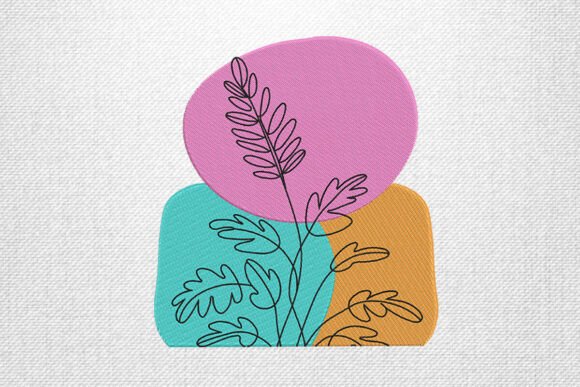
Abstract Leaf Line Embroidery Design Review
First Look at the Abstract Leaf Line Design
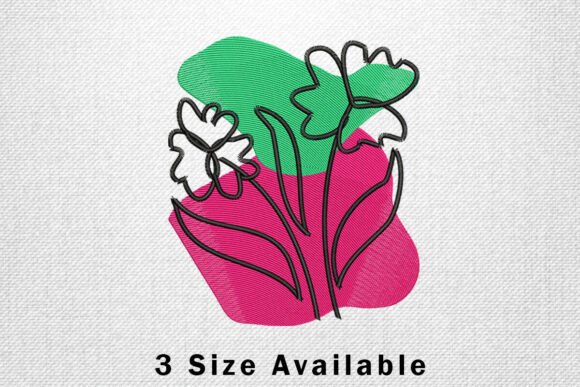
I opened the Abstract Leaf Line file expecting another floral outline, but what I got was something refreshingly different. The design leans into a clean, modern aesthetic that blends loose artistic outlines with blocked color shapes. It does not try to be a realistic botanical illustration, and honestly, that is its strongest asset. The abstract leaf motifs feel intentional, almost like a hand-drawn sketch that someone digitized with care. There is a sense of movement across the composition without anything feeling cluttered. For anyone who designs for contemporary handmade products, this one clicks into place quickly.
The mood sits somewhere between minimalist and playful. The outline style keeps it light and airy, while the color blocks add enough weight to make the design feel present on the fabric. It reads as trendy without chasing a fleeting fad, which matters when you are stitching items meant to sell. I could immediately picture it on a natural linen pillow cover or a crisp canvas tote bag. The art direction here works well for the Outline Flowers category, though the abstract leaves steal the show more than any floral element does.
A Real Project Scenario
Last week I tested Abstract Leaf Line on a midweight cotton canvas tote bag for a client who runs a small boutique. She wanted something that looked elevated but not fussy, a design that could complement her brand without overpowering the product. I hooped the bag panel with a medium-weight cutaway stabilizer and chose a muted olive thread for the outlines, paired with a soft terracotta fill for the color shapes. After the stitching finished and I removed the hoop, the result felt genuinely market-ready.
What struck me was how the abstract lines interacted with the fabric texture. The canvas gave the outlines a slightly organic, almost painted edge. The fill stitch sections remained smooth and even, without puckering around the corners. The tote looked like something you would see in a curated handmade shop, priced at a premium, and sold with confidence. That single embroidery project convinced me this design has legs beyond casual crafting. It belongs in a small shop product lineup.
Fabric Choices and Stitch Behavior
Abstract Leaf Line performs best on stable, medium-weight fabrics. Cotton canvas, linen blends, denim, and twill all gave me clean results with minimal adjustment. The satin stitch elements within the color blocks laid down neatly on these surfaces, and the running stitch outlines stayed crisp without sinking into the weave. I also tested it on a soft cotton jersey with a ballpoint needle and a no-show mesh stabilizer. The design stitched out acceptably, but I would not recommend it as a go-to for thin or overly stretchy fabrics. The outlines can lose their sharpness when the fabric shifts under the needle, and the filled areas may feel slightly stiff against lightweight knits.
On dark fabrics, the design needs thoughtful thread choices. I ran a test on a charcoal sweatshirt using a bright ecru outline and muted pastel fills. The contrast worked beautifully, but I had to dial in the stitch density slightly higher on my test file to prevent the darker fabric from peeking through the color blocks. If you are working with a pre-digitized digital embroidery file, you will want to check whether the density settings hold up on black or navy backgrounds before stitching a final product.
Product Ideas That Make Sense
After running multiple test pieces, I put together a mental list of projects where Abstract Leaf Line would genuinely add value. Tote bags and pillow covers sit at the top. The scale feels right for a 5x7 or larger hoop, and the design fills the space without overwhelming the product. I also stitched it onto a linen tea towel, and the result looked like something pulled from a high-end kitchen boutique. For custom apparel, the design works well as a left-chest placement on a structured sweatshirt or a center-back accent on a denim jacket.
This design also opens doors for personalized gift projects. I can see it paired with a single embroidered initial or a short name underneath, creating a thoughtful housewarming or wedding gift. Baby items are another possibility, though I would scale the design down carefully and stick to soft, breathable fabrics. The abstract leaves lend themselves nicely to nursery decor, especially on a quilted blanket or a decorative wall hanging. The modern look feels gender-neutral and versatile enough to fit into different holiday embroidery contexts, particularly autumn and spring collections.
Where Caution Pays Off
Not every project suits Abstract Leaf Line, and I think it is worth being honest about the limitations. Small hoop sizes can choke the detail. If you push this design into a 4x4 frame, the outlines may blur together and the color blocks lose their distinct shapes. I tested it at 3.8 inches wide, and the inner leaf details started to feel cramped. Keep the design at a size where each abstract element has room to breathe. This is not a micro-design meant for tiny patches or narrow cap brims.
Curved surfaces like baseball caps also present challenges. The long, flowing leaf outlines can distort when wrapped around a structured crown. I would save this design for flat or gently curved projects. Similarly, embroidered patch applications need careful edge finishing. The open outlines do not always translate cleanly to a merrowed border patch without some design modifications. If you want to use it as a patch, consider adding a subtle background fill or stitching it on felt for a cleaner edge.
Frequent washing is another factor. On a kitchen towel, the design held up through several cycles, but I used a soft cutaway stabilizer and a low-heat dry. On a garment that faces weekly laundering, the outlines might degrade faster than a fully filled design would. Inform your customers about care instructions if you sell finished items featuring this design. That small step protects your brand consistency and builds customer trust over time.
Designer Notes Before You Stitch
I always recommend a test stitch on scrap fabric before loading up a final product. Abstract Leaf Line is no exception. Start with your intended fabric, stabilizer, and thread combination. Check how the thread colors read against the background. I found that high-contrast pairings work best for the outlines, while the color blocks can handle more tonal, subdued shades. The interplay between the two is what gives the design its character, so do not let either element wash out.
Also, review the hoop size requirements carefully. If your machine embroidery design file comes in multiple sizes, choose the one that matches your project rather than resizing aggressively in software. Resizing can alter the stitch density and throw off the balance between outlines and fills. I recommend checking the design in a black-and-white mockup or a simple printable preview before committing. Seeing it without color distractions helps you judge whether the linework stands strong on its own.
Regarding licensing and commercial use, confirm the terms included with your purchase. Many designers allow finished products to be sold, but not all permit the resale of the embroidery file itself. If you are an Etsy seller or run a craft business, verify that the commercial embroidery license covers your intended use. This is especially important if you plan to offer the design across multiple product listings or include it in design assets bundles.
The Business Side of Abstract Leaf Line
From a seller perspective, Abstract Leaf Line brings strong visual appeal to product photography. The outline-based style photographs well on flat-lay images, and the abstract shapes catch the eye in thumbnail previews. For printable mockup use, the design adds a polished, professional touch that can elevate a listing and attract more buyer engagement. I can easily imagine a handmade product collection built around this single motif, with coordinating products like matching tote bags, cushion covers, and tea towels.
When I think about small shop product strategy, consistency matters. Abstract Leaf Line offers a cohesive look that ties multiple items together without feeling repetitive. A customer who buys an embroidered tote might return for a matching pillow cover if the design language stays recognizable. That kind of recognition builds repeat sales. The design also presents well as a personalized gift option, which broadens your audience beyond typical craft fair shoppers into the thoughtful-gift market.
One final thought on professionalism: customers notice when a stitched design looks intentional. Abstract Leaf Line, when placed well and stitched cleanly, communicates confidence. It sends a signal that the maker understands design, not just production. That impression alone can justify a higher price point and set your work apart from mass-produced alternatives. In a market crowded with generic floral embroidery, this abstract leaf approach gives you something distinctive to showcase.