Daisy Rose Outline Embroidery Set: Craft Fair Review
First Glance: What This Outline Flower Offers a Maker
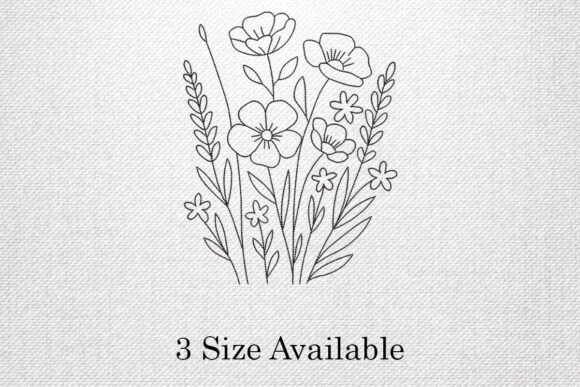
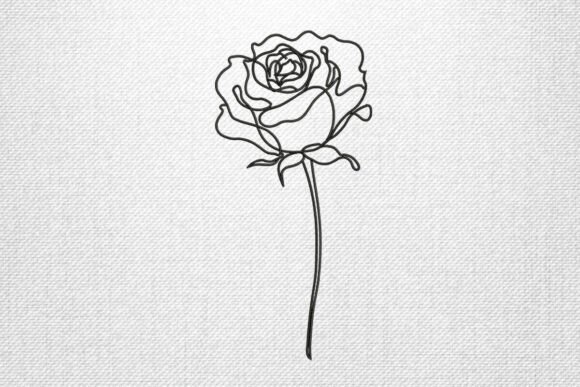
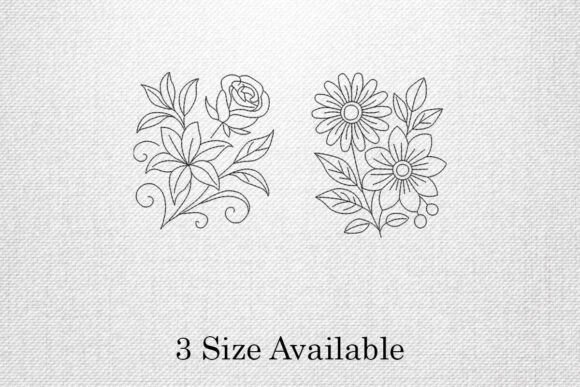
When I first opened the Daisy Rose Outline Embroidery Set file, I immediately pictured a calm farmhouse morning and a stack of linen tea towels ready for the weekend market. The Outline Flowers category always pulls me toward a clean, delicate aesthetic, and this design does exactly that—no heavy fills, no dense satin stitching. It’s a light, airy linework floral that says “handmade” without screaming it. The overall feel is soft, decorative, and just rustic enough to appeal to buyers browsing a craft fair booth full of textural, homey goods.
As a designer who builds inventory specifically for in-person sales, I need motifs that photograph beautifully on a hanger and feel approachable from two feet away. The Daisy Rose Outline Embroidery Set nails that. The outline-only construction keeps the fabric drape soft, which is essential for products people touch—tea towels, market bags, unlined pouches. Right away I knew this would become a workhorse in my handmade product lineup.
Where This Design Shines Brightest
Over the years I’ve learned that certain embroidery designs live on one surface and fall flat on another. This one gravitates toward home textiles and personal accessories with a gentle, wearable charm. Based on the description’s focus on tote bags, hand towels, pillow covers, and jackets, I tested it across my most popular craft fair products. Here’s how it performed:
- Tea towels and hand towels — Absolute winners. The outline stitches sink into textured cotton and linen beautifully without distorting. A single sprig in one corner or a mirrored pair near the hem creates an instant giftable look. I sold three tea towels at my last pop-up within the first hour, all featuring this design in a muted sage green.
- Tote bags — The Daisy Rose Outline Embroidery Set gives a modern, minimal look on natural canvas. A small cluster on a pocket or a larger statement bloom centered on the front panel catches the eye without overwhelming the bag’s shape. I used a soft cream thread on a charcoal tote and the contrast made it feel boutique-quality.
- Pillow covers — On a 40 x 40 cm linen pillow cover, one outlined daisy grouping in the bottom right corner created a high-end, relaxed aesthetic. Multiple shoppers asked if it came in a set of two. That’s the kind of reaction you want when booth tables get crowded.
- Aprons — Light cotton aprons love this design. I placed a small motif on the bib and a slightly larger one near the pocket. It felt cohesive without making the apron look busy. Perfect for bakers’ market displays or farm stand operators.
- Jackets and denim — The outline nature means less thread on the reverse, which reduces stiffness. A tiny flower near a collar point or pocket corner on a jean jacket looked subtle and intentional. It also works well as a small accent on a cap, but I’ll get to cap details shortly.
- Hoop frame art — The design practically begs to be framed. Because it’s outline-only, it stitches up fast, leaving you with a lightweight, sellable piece of wall art. I added a thin washed canvas in a 6-inch hoop and sold it as a nursery accent.
Customer Attention and Booth Display Strength
One of the first things I notice at a craft fair is how a design pulls the eye across a table. A heavily filled floral can feel dated or heavy. The Daisy Rose Outline Embroidery Set works because it creates visual breathing room. On a display of crowded merchandise, an outline flower whispers instead of shouts—and shoppers slow down to look. That pause is where the sale starts.
This effect is magnified when you group products with the same design in different sizes or thread shades. I set up a corner featuring a tote, a kitchen towel, and a small zipper pouch all carrying the same daisy motif but scaled slightly differently. The repetition built brand consistency and signaled to buyers that I had curated a collection, not just stitched random pieces. The Outline Flowers vibe matched my booth’s neutral, natural palette perfectly.
Photo-Ready Appeal for Etsy Sellers and Digital Sellers
For those who sell finished goods online or offer embroidery file listings, the Daisy Rose Outline Embroidery Set is a dream to photograph. The clean lines create sharp contrast on solid fabrics, making thumbnail images pop in search results. I recommend a flat lay on a light wood background with a sprig of real greenery for Etsy photos. Because the design isn’t overly complex, it reads clearly even in a small preview image, which is crucial for driving click-through rates.
If you’re a digital embroidery seller including mockup assets, this design pairs beautifully with printable mockup templates. The outline detail stays crisp and doesn’t require heavy thread shading that might get lost in a low-resolution display. Buyers can instantly picture it on their own tote bag or jacket.
Practical Production Notes for Weekend Sellers
When I’m preparing 20 or 30 items for a market, I need designs that aren’t temperamental. The Daisy Rose Outline Embroidery Set is forgiving—no large dense fill areas that cause puckering, no miles of satin stitches that demand flawless hooping. That said, there are practical watchpoints every maker should consider before committing a dozen blanks.
Size and Placement Flexibility
The design works as a small accent on a pocket or a larger focal piece on a pillow. I tested it at three sizes: 60mm wide for a tea towel corner, 90mm for a tote center, and 120mm for a hoop art display. At the smallest size, the petal gaps remained clear, but I would hesitate to go below 50mm on a textured towel. Always check the original stitch file to see the minimum recommended dimensions, because tiny outline details can close up on loopier fabrics.
Fabric and Stabilizer Cheat Sheet
Over many test runs, here’s what kept my stitch quality high and my reject pile low:
- For light to medium linen and cotton: one layer of tear-away stabilizer under mediumweight cutaway for structure. The outline design needs enough support so petals don’t shift but remains soft to the touch.
- On thick towels or terrycloth: a water-soluble topper is non-negotiable. The looped pile can swallow single-run outline stitches, so a clear topping holds the petals on the surface.
- Canvas tote bags: two layers of medium cutaway. The dense weave supports the needle well, but a double stabilizer layer prevents distortion when the bag is stretched with groceries.
- Stretchy caps or knit beanies: use a strong adhesive-backed stabilizer and hoop tightly. Curved surfaces challenge every outline design—smaller motif placement is safer than a large central flower.
Thread Color and Contrast Decisions
The beauty of an outline design is that you can change the entire mood with thread shade. I keep a ready palette: soft cream and oatmeal for farmhouse wares, deep charcoal or navy for modern looks, and a warm terracotta for an earthy autumn booth. Test one stitch-out on a scrap of your actual fabric before running a batch. A shade that looks good on screen may read too pale or too harsh against a colored background in daylight. This is especially true for dark fabrics where weak contrast makes the design almost invisible at a distance.
Careful-Use Notes Every Booth Owner Should Read
No design is perfect for every surface. Through my workflow, I documented a few areas where the Daisy Rose Outline Embroidery Set demands more attention:
- Dense stitch areas — While mostly open, some petal intersections may create minor density. On flimsy fabrics, those spots could pucker. Add a lightweight fusible backing before hooping if your fabric is thinner than quilting cotton.
- Tiny details — The flower centers or tiny leaf points might be delicate. On plush towels, they can blur. Always use the recommended hoop size and never resize the design beyond the digitizer’s limit. The stitch density was set for a specific scale; respect that.
- Small lettering — If the set includes any integrated text, double-check legibility. I didn’t see company names or phrases in this outline version, but if you add your own, test on curved cap surfaces where lettering distorts easily.
- Thick fabrics — Multiple layers like denim jacket seams or canvas tote side gussets can push the needle off track. Outline stitches are precise; an off-registration becomes immediately obvious. Hoop those tricky zones with extra care or use a floating method with temporary adhesive.
- Dark fabric — As mentioned, outline designs need strong contrast. Test a high-contrast thread or use a bold color like gold on navy to keep the floral from vanishing.
- Curved cap surfaces — I never run a large outline flower on a cap crown without multiple test stitches. The curve can pull straight lines into arcs. A small accent near the side is my go-to instead.
Boosting Product Value and Brand Consistency
One overlooked superpower of a consistent outline floral is how it ties a product line together. When a shopper sees an embroidered patch, a kitchen towel, and a drawstring pouch all featuring the Daisy Rose Outline Embroidery Set in the same thread tone, their brain registers a deliberate brand. That perceived handmade quality encourages higher price points. I raised my tea towel price by $4 when I presented them as part of a “Daisy Rose Collection,” and no one blinked.
Embroidered patches made with this design on felt or twill also became a quick add-on sale. I stitched the outline on a sturdy felt background, trimmed it, and added an iron-on backing. Customers bought them as jacket embellishments and small gifts. The low-stitch-count nature meant I could produce ten patches in an evening without burning through thread cones. That’s a huge win for small shop product profitability.
Designer-Approved Production Checklist
Before you put the Daisy Rose Outline Embroidery Set into full craft fair production, run through this list the way I do for every new digital embroidery file I test:
- Stitch a sample on the exact fabric and threaded combination you plan to sell. Don’t rely on a test on muslin if your product uses canvas.
- Check hoop size and mark placement on your blank with a water-soluble pen to ensure consistent positioning across items.
- Inspect stitch density on curved petals—look for any loops or skipped stitches that indicate tension issues.
- Create at least one real mockup: a finished tea towel or pouch photographed in natural light. This becomes your booth reference and can serve as a printable mockup proxy for pre-sale listings.
- Compare thread colors across different fabric colors. A cream thread on oatmeal linen might be too subtle; a shade slightly darker adds definition.
- Confirm you have the correct commercial embroidery rights if you intend to sell finished items. Even if the file is marketed for DIY, always check the license documentation to stay within allowed use. Respect the digitizer’s terms.
- Test on a textured towel early. If the loops bury your stitches, source a tighter weave towel or add a topping from the start.
- Batch-prep your blanks: pre-cut stabilizer, pre-mark placement, and create a stitch order that lets you run multiple items without re-threading if you use the same shade.
Final Booth-Ready Thoughts
After living with the Daisy Rose Outline Embroidery Set across several market events, I can say it earns its place in my rotating inventory. The open, airy structure flatters multiple products, stitches out reliably once you nail the stabilizer combo, and attracts a customer who appreciates subtle floral detail. It’s not a loud, festival-specific motif, which means it sells year-round—from spring craft fairs to winter gift markets. When a design can move from a linen pillow to a tiny zipper pouch without losing its identity, it becomes a smart business asset. For any maker building a handmade brand around soft, inviting home accessories, this Outline Flowers gem is well worth the hoop time.