Pink Lily Flower: A Business Embroidery Review
As a professional embroidery designer who helps small cafés, handmade boutiques, and indie brands create custom merchandise, I test every machine embroidery design with a commercial eye. When the Pink Lily Flower landed on my screen, I immediately thought of a dozen small-business uses — from woven patches to branded tote bags. The product description says it all: “Enhance your fabrics with a dash of character using this trendy embroidery design … it adds a cheerful and artistic touch wherever you need it.” That promise is exactly what many businesses need for their custom apparel and product labels.
I loaded the digital embroidery file into my software and started evaluating it the way I would for a bakery, florist, or creative studio. Here's how this pink lily performs when the goal isn’t just decoration, but a tangible asset for small business merch.
First Impressions: Cheerful, Artistic, and Business-Ready
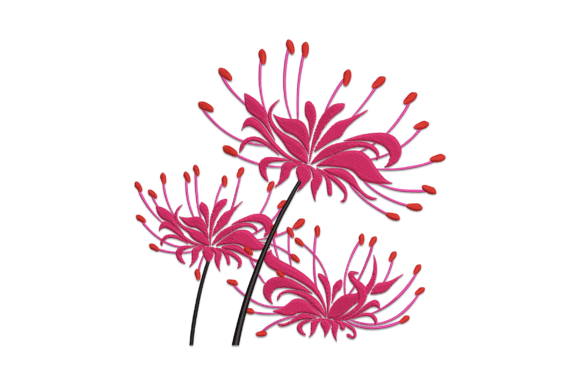
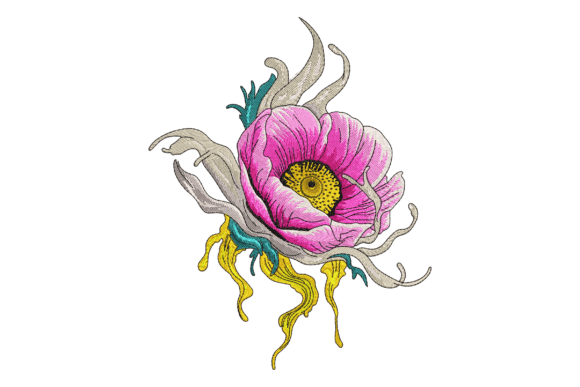
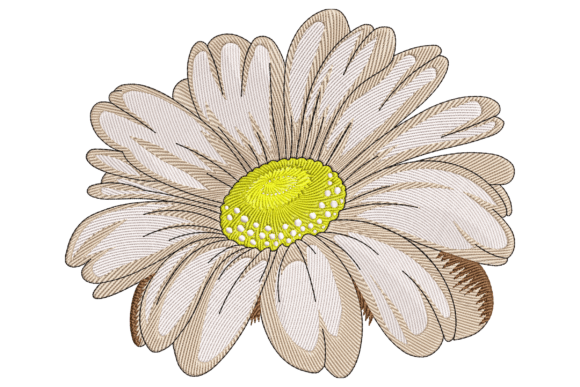
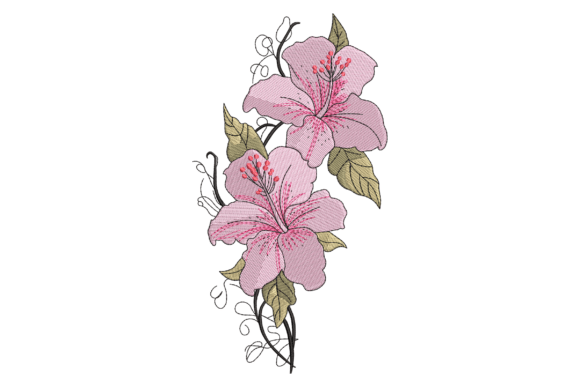
Right away, the Pink Lily Flower reads as friendly and approachable — not overly formal, but still polished enough for professional branding. The design has a handcrafted, almost illustrative feel that suits businesses wanting a personal, handmade product look. I wouldn’t call it rustic or vintage; it’s more “soft modern” — the kind of design asset that feels at home on organic cotton aprons, kraft-paper packaging, and Instagram-friendly product shots. For a café or pet brand, this pink lily communicates warmth without being cutesy. For a florist, it’s an obvious but timeless visual note. The artistic, cheerful quality mentioned in the description rings true: the petal shapes and overall silhouette immediately suggest a brand identity built around freshness, nature, and approachability.
Practical Uses for Small Business Merchandise and Branded Products
In my review workflow, I map every embroidery file onto real business scenarios. Below are the most promising applications for the Pink Lily Flower.
Embroidered Patches and Brand Mascots
An embroidered patch of this pink lily could become a signature brand element. Imagine a small bath and body line using it as a sew-on patch for their linen spray bottles, or a subscription box service tucking a mini iron-on patch into every shipment. Because lilies carry connotations of natural beauty and freshness, a patch version works exceptionally well for wellness, skincare, and eco-friendly brands. I’d recommend testing the stitch density at patch size — too dense and the patch becomes stiff; too light and the details disappear. But the design’s open shapes suggest it will translate well to patch form.
Aprons, Caps, and Uniforms: Building a Cohesive Look
For a café, bakery, or boutique with staff uniforms, a left-chest apron embroidery of the Pink Lily Flower instantly unifies the team. The design is bold enough to be recognized from across a counter, yet not so large that it overwhelms. On cotton twill caps, a centered or slightly offset lily on the front panel creates a stylish, boutique feel. I often tell clients that cap embroidery demands a design that reads well on a curved, structured surface. This lily’s central focus — a single bloom, not sprawling vines — makes it a strong candidate for cap embroidery without requiring aggressive digitizing edits. For uniform shirts, a sleeve detail with the pink lily adds a professional touch that feels intentional without screaming “corporate.”
Tote Bags, Towels, and Customer Giveaways
A tote bag design using the Pink Lily Flower is a no-brainer for plant shops, artisan markets, and Etsy sellers. Because the design is described as ideal for towels and home decor, I also envision it on hand towels in a bed-and-breakfast, or on canvas pouches for jewelry brands. When planning giveaway items, remember that a single well-placed lily can elevate a plain bag or towel into a finished product that customers will actually use — and your branding gets free advertising everywhere that bag goes.
Where Pink Lily Flower Shines — and Where It Needs Caution
No design works everywhere, and part of my job is flagging the boundaries. The Pink Lily Flower is cheerful and artistic, but it’s not a universal solution.
- Small patch sizes (under 2 inches): Pushing this design too small risks losing petal separation and making it a pink blob. Always run a test stitch at the intended size on scrap fabric before committing to production.
- Cap fronts with high curve: While the design is suitable for caps, some structured caps have an extreme curve that can distort the outer petals. Choose a cap with a moderate front curve, and use the right hoop size and backing to keep registration tight.
- Dark or heavily textured fabrics: The pink tones may lose vibrancy on black or navy unless you adjust thread colors for higher contrast. On textured towels, fine details can get swallowed; consider a simplified version or an outline-based style.
- Frequent industrial washing: If used on uniforms that will face harsh laundering, confirm the stitch density isn’t so high that threads break or pucker. A moderate density with a quality stabilizer holds up better.
- Tiny lettering paired with the lily: If you plan to add a business name or tagline near the flower, test the overall footprint. The lily might need to be scaled down, which could compromise its identity.
The Brand Identity Boost: How a Flower Can Elevate Your Business
Branding isn’t just a logo — it’s every visual touchpoint. When I choose design assets like the Pink Lily Flower for a client, I’m looking for a motif that can travel across products while staying unmistakably them. A pink lily, used consistently on packaging accents, thank-you cards, and social media templates, reinforces a soft, caring, nature-connected brand identity. It tells customers that the business values beauty, detail, and a personal touch. This can directly impact customer trust and the perceived value of handmade product lines. If you sell on Etsy, adding an embroidered lily to your product photography creates a seamless brand story that encourages repeat buyers.
From a visual consistency standpoint, a single pink lily is easier to maintain across multiple machine embroidery design applications than a multi-flower scene. It can stand alone on a sleeve, anchor a tote bag design, or become the center of a commemorative event patch. This versatility reduces the number of digital embroidery file variations you need to purchase or digitize, which saves both time and money in commercial embroidery production.
Designer’s Production Notes and Final Checklist
Before you click “buy” and load this embroidery file into your machine, here are the steps I follow when quality-checking any new design asset — especially one intended for business merchandise. Since the original product description doesn’t specify the actual hoop size, file format, or license terms, you’ll need to confirm those details on the product page. I always recommend reaching out to the digitizer if the listing is vague.
Before You Stitch — A Practical Checklist
- Test in black and white first. Print the design or view it without thread colors. This reveals whether the shapes hold up without relying on pink to carry the legibility. A strong silhouette means the Pink Lily Flower will work on packaging mockups or single-color patches.
- Check the minimum recommended size. If the seller didn’t state it, embroider a series of sizes on scrap fabric. Compare the 2-inch, 2.5-inch, and 3-inch versions. For a cap embroidery or sleeve accent, you’ll want to know the sweet spot where petal definition stays crisp.
- Evaluate thread color contrast. A pink lily can look flat if you use a single shade. Consider blending two pink thread colors or adding a subtle peach or cream highlight. The “cheerful” personality thrives on a little depth.
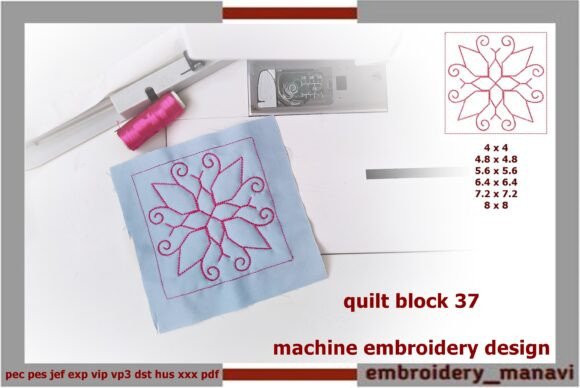
- Confirm hoop size and machine compatibility. The product description says “This machine e” — likely referring to home and commercial machines, but always verify that the file formats offered (typically .pes, .dst, .exp, etc.) match your equipment. Nothing derails a deadline faster than an incompatible digital embroidery file.
- Choose the right stabilizer. For t-shirts, a cut-away stabilizer prevents shifting. For towels, use a water-soluble topper so stitches don’t sink into the loops. For tote bags, a tear-away plus a temporary adhesive spray will keep the canvas stable. Every fabric texture demands its own approach.
- Create a printable mockup for client approval. Before stitching a single thread, I place the Pink Lily Flower onto a digital template of the actual product — a cap, a pouch, a shirt — so the business owner can visually approve placement and scale. This is a printable mockup step that saves hours of re-do work.
- Compare it beside other brand elements. Lay the embroidered sample next to your existing logo, color palette, or packaging. Does the pink tone harmonize, or clash? If the lily trend towards pastel and your brand uses neon pink, you may need to adjust thread color slightly before bulk production.
- Confirm commercial licensing. Since the description doesn’t explicitly state the license terms, always check whether the embroidery file allows for items sold commercially. For any commercial embroidery use — whether patches, merch, or staff uniforms — you need a license that covers business sales. Don’t assume; ask.
The Pink Lily Flower belongs to the Single Flowers Plants category, and its strength lies precisely in that focused simplicity. As part of the wider Embroidery offerings, it can be the start of a coordinated design asset library for your business. With proper testing and thoughtful placement, this cheerful bloom can become a signature element of your small business merch, elevating every finished product from a shirt to a treasured brand touchpoint.
Remember: a successful business embroidery project isn’t just about the design — it’s about the prep. Test thoroughly, mock up carefully, and let the Pink Lily Flower do the rest of the storytelling for your brand.