Minimalist Wildflower – Modern Floral Review
The First Stitch Impression
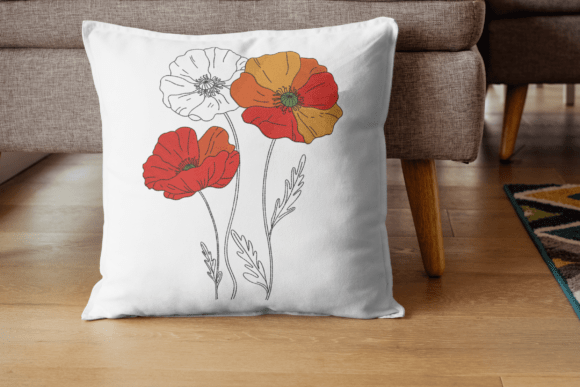
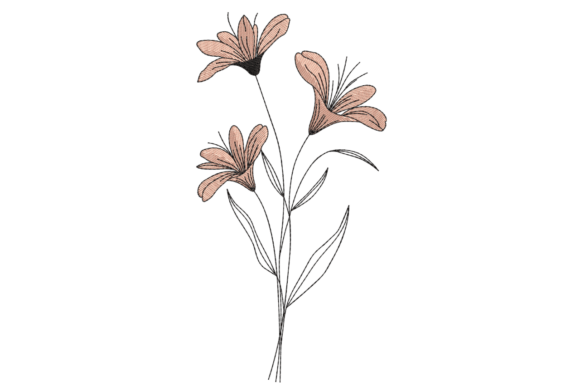
Some machine embroidery design files arrive with bold promises and heavy detail, but the ones I keep returning to are the quiet ones. Minimalist Wildflower – Modern Floral lands squarely in that category. The moment I previewed the file, I felt a soft, unhurried calm settle over the screen. Three slender stems rise upward, each carrying a single bloom in a dusty peach hue that feels more like watercolor than thread. There is no clutter, no filler, no overworking. Just three flowers, carefully placed, breathing on their own.
As someone who stitches for real products that real people buy, I look for designs that communicate something specific. This one whispers gentle warmth. It reminds me of pressed flowers tucked into old books, or a single sprig of peach blossom caught in morning light. The visual personality leans modern, clean, and faintly nostalgic. It fits a category I would describe as thoughtful simplicity, which is surprisingly hard to find in the embroidery file world where maximalism often dominates.
The layout reads vertically, like a quiet column of wild growth. It does not sprawl horizontally or demand a wide hoop. That natural verticality opens up a lot of product possibilities, especially for items with tall, narrow decoration zones. For anyone browsing the Single Flowers Plants category, this design stands out not because it shouts, but because it refuses to.
Where It Feels Most at Home
I ran a mental test the way I always do before committing thread to fabric. I pictured this peach wildflower trio stitched across different surfaces, and certain matches felt inevitable. Let me walk through what came to mind first.
The Linen Tote That Sells Itself
I have a craft fair coming up in six weeks, and I am building a small collection of embroidered totes. Natural linen, raw edges, simple construction. I imagined Minimalist Wildflower – Modern Floral centered on the front panel, stitched in a size that leaves generous negative space around the blooms. The dusty peach thread against unbleached linen creates a warmth that feels almost vintage. Customers at my booth always gravitate toward designs that look intentional but effortless. This one would stop them mid-walk. I can already picture someone picking up the tote, running a thumb over the satin-stitched petals, and saying, "This feels like spring."
A tote bag design like this works because the simplicity invites touch. There is nothing intimidating about three little wildflowers. It does not scream for attention, and that quiet confidence is exactly what sells a $38 handmade tote to someone who could buy a mass-produced bag anywhere.
Baby Rompers and the Softest Statement
Another real scenario spun through my head as I studied the stitch preview. I have a client who orders custom baby gifts four or five times a year, always requesting something delicate and gender-neutral. The dusty peach palette sits beautifully outside the rigid pink-and-blue baby product landscape. On an ivory cotton romper, stitched small near the shoulder or centered on the chest, Minimalist Wildflower – Modern Floral would hit every note my client cares about. It reads as sweet without being saccharine, modern without being cold, and handmade without looking homemade.
For baby embroidery, restraint matters enormously. Overly dense designs can stiffen delicate fabric and irritate sensitive skin. A light, airy wildflower with modest stitch density avoids those problems while still looking polished. I would use a soft cutaway stabilizer and a ballpoint needle to protect the fabric weave, then dial in a thread tension that floats the satin petals without pulling. The slender stems, likely executed in a clean running or backstitch, would flex naturally with the garment rather than fighting it.
Sweatshirt Season and Quiet Branding
I also thought about the small boutique owner who reached out to me last month about branding her shop merchandise. She wanted something embroidered on crewnecks that felt like a signature rather than a logo. Sweatshirt embroidery often defaults to bold, chunky lettering or heavy iconography. But a single vertical wildflower cluster stitched near the cuff or on the left chest creates an entirely different energy. It says, "This brand pays attention."
The peach blooms would sit beautifully on oatmeal, cream, slate gray, or even a muted sage green. Against darker fabric, the lightness of the color might need a slight adjustment in thread choice, but the design itself carries enough structural clarity to hold its own on textured knit. I would test it first on a scrap of French terry to make sure the fill stitch areas, if any, do not sink into the pile. A light topping would help the petals float cleanly on top of the fabric rather than disappearing into it.
Reading the Design Like a Stitcher
Beyond the mood, I look at the mechanics. Every machine embroidery design has a rhythm to how the stitches will lay down. Based on the visual preview, the blooms appear to use a combination of satin stitching for the petals and possibly a subtle fill for depth. The stems look slender and clean, likely executed in a single-pass running stitch with enough length to avoid puckering on medium-weight fabrics.
The dusty peach color is doing a lot of work here. It is soft enough to feel romantic but earthy enough to avoid looking precious. On the thread rack, I would reach for something with a slight warm undertone, steering clear of bright coral or overt pink. A true peach with a hint of terra cotta in the shadow areas would keep the modern, grounded feel intact. If you are stitching for a craft business, consistent thread color across multiple products builds recognition. Customers start to associate that specific dusty peach with your brand.
What to Watch for in the Stitchout
I always tell fellow makers to test a new design on scrap fabric before committing to a finished product. With Minimalist Wildflower – Modern Floral, three things deserve your attention during that test stitch.
First, confirm the hoop size requirement. A vertical design of this nature might fit comfortably in a smaller hoop, but do not assume. Measure the stitch field carefully and make sure your machine's embroidery area accommodates the full height without rehooping. Nothing breaks the elegance of a minimalist design faster than a registration shift mid-stitch.
Second, check the small details at the flower centers and stem bases. Minimalist designs depend on clean execution because every stitch is visible. If the stitch density in the petal overlaps feels too heavy, it might create tiny bumps or loops that distract from the overall simplicity. A quick test on a similar fabric weight will tell you everything you need to know.
Third, test the design in grayscale. Strip away the color and look at the tonal contrast. Does the design still read clearly? A strong minimalist piece holds its shape even without the peach hue to carry it. If the stems and blooms blur together in black and white, you might need to adjust thread contrast for certain products. This matters especially for printable mockup previews where customers see the design in flat, color-accurate renderings before you ever thread a needle.
Fabric Choices That Elevate the Final Product
The beauty of a design this restrained is that it cooperates with a wide range of fabrics, but it shines brightest on surfaces that complement its quiet personality. Natural fibers like linen, cotton lawn, and lightweight canvas give the peach blooms a grounded, organic feel. On these materials, the stitched wildflower looks like it grew there.
I would be more cautious on highly textured fabrics like heavy boucle or thick chenille. The slender stems could get lost in the pile, and the delicate petal edges might blur. Similarly, stretchy fabrics like thin jersey need extra stabilization to keep the vertical stems from waving or distorting after washing. A fusible mesh stabilizer behind the fabric and a gentle press after stitching usually solve that problem, but it is worth testing before you promise a client a finished product on a slinky tee.
For dark fabric applications, the dusty peach might need a slight boost in saturation or a shift to a slightly richer tone. On charcoal or navy, a too-pale peach can wash out under certain lighting. I keep a small thread swatch book near my machine and hold colors against the actual fabric under both natural and warm indoor light before making a final choice.
A Real Project Walkthrough
Let me ground this in something concrete. Next Tuesday, I am stitching a set of personalized gift items for a wedding anniversary order. The customer wants matching embroidered linen pillow covers, two pieces, with a floral motif that feels romantic but not overtly bridal. She chose a soft oatmeal linen and asked for something botanical.
I am reaching for Minimalist Wildflower – Modern Floral without hesitation. The peach blooms against oatmeal linen will feel warm, timeless, and gender-neutral enough for a shared home. I plan to stitch the design slightly off-center on each pillow cover, closer to one corner, so it reads as an intentional accent rather than a centered emblem. The vertical orientation works perfectly for standard throw pillow dimensions.
Before I stitch the final pieces, I will run a test on the same linen with the same stabilizer combination I use for production. I will wash the test piece once, gently, and let it air dry to see how the threads settle and whether any distortion occurs at the stem points. If everything holds, I will proceed with confidence. This is the kind of pre-production care that separates a small shop product from a rushed craft project. My customers trust that I have already done the testing so they receive something durable and beautiful.
Thoughts on Commercial Use and Selling Finished Items
For makers running an Etsy seller shop or stocking a boutique shelf, design choice directly impacts buyer engagement. A minimalist floral like this photographs beautifully. The clean lines and soft peach tone create a strong visual anchor for product listings. Whether stitched on a tea towel, an apron, or a baby blanket, the finished product carries a cohesive, professional look that builds brand consistency across multiple listings.
Customers shopping for handmade goods often make split-second judgments based on the perceived quality of the embroidery. Minimalist Wildflower – Modern Floral reads as sophisticated and intentional, which raises the perceived value of whatever it decorates. A simple pillow cover with this design can command a higher price than a busier, less refined piece simply because the aesthetic signals taste.
That said, always confirm the licensing terms before selling finished items or using this digital embroidery file for commercial purposes. Many design files in the Embroidery and Single Flowers Plants categories come with specific allowances or restrictions regarding physical product sales. Do not assume. Check the file documentation, and if the terms are unclear, contact the designer directly. Protecting your business starts with respecting the creative work behind the files you use.
Small Details That Make a Big Difference
I want to emphasize something that newer stitchers sometimes overlook. With a design as minimal as this, every stitch carries weight. There is no busy background or decorative border to distract the eye from a slightly misaligned petal or a tension hiccup. That is not a flaw of the design. If anything, it is an invitation to slow down and do careful work.
Before you stitch Minimalist Wildflower – Modern Floral on a final product, take the time to select the right stabilizer for your chosen fabric. Test a few thread colors that are close but not identical to the suggested peach to see which one harmonizes best with your specific material. Press the finished embroidery from the back with a pressing cloth to preserve the petal texture. These small acts of care accumulate into a finished product that feels genuinely premium.
I have stitched hundreds of floral designs over the years, and the ones I remember are not always the most complex. Often, they are the ones that understood exactly what they wanted to say and said it with economy and grace. Minimalist Wildflower – Modern Floral belongs in that company. It is a design I trust. It will not cause me headaches during production. It will not confuse my customers or clash with my branding. It will simply do its quiet work, and sometimes, that is exactly what a thoughtful embroidery project needs.