House Plants Embroidery Design: A Designer’s Field Review
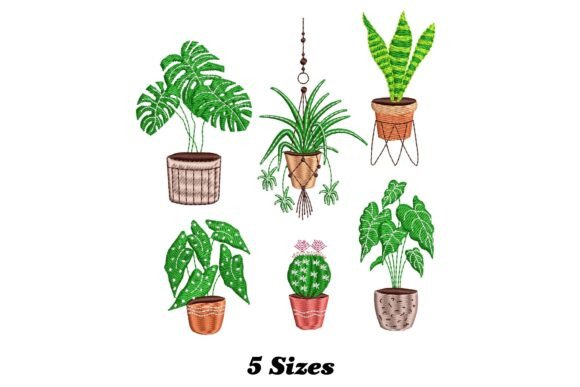
When I first opened the House Plants design from Creative Fabrica, I was immediately drawn to its quiet, botanical mood. It isn’t a loud, oversized floral. It feels more like a carefully potted indoor plant, the kind that sits in a sunny corner of a kitchen or brightens a reading nook. The linework, at first glance, suggests a mix of delicate leaf shapes and organic stem flow. As someone who stitches for customers who love natural, minimalist decor, this design instantly triggered several project ideas: a linen apron, a textured cushion cover, even a small patch for a canvas tote bag.
What I appreciate right away is how the House Plants personality reads as both contemporary and timeless. It doesn’t scream ephemeral trend. It whispers warmth, growth, and a love for greenery. That matters because when you sell a handmade product, you want the machine embroidery design to carry an emotional thread. Buyers connect with the feeling before they inspect stitch quality. In this case, the feeling is calm and collected, which matches the current demand for handmade home goods and slow-living aesthetics.
First Impressions and the Botanical Mood
After unzipping the embroidery file, I spent time just looking at the digitized paths on screen before loading any thread. The leaf structure appears balanced, with a pleasant variation between what I assume are satin stitch borders and lighter fill stitch details. The pot element, if present in the version you choose, grounds the visual weight beautifully. It stops the greenery from floating and gives the design a complete, frame-worthy composition.
I always test how a design translates emotionally before I test how it stitches. For House Plants, the immediate vibe is: nursery decor, botanical gift, calm corner of a home. This makes it ideal for baby blankets, wall art hoops, and simple throw pillow covers. If you’re an Etsy seller focusing on plant-themed nursery sets or handmade gifts for plant parents, this design feels like a quiet bestseller waiting to happen.
Visual Detail and the Handcrafted Feeling
One thing I look for in a Creative Fabrica embroidery product is whether it preserves a handcrafted illusion. Mass-produced-looking embroidery can cheapen a finished product. House Plants holds a delicate, slightly illustrative line quality. The leaves aren’t rigid; they breathe. This matters enormously when you present your work in printable mockup photos. A design with organic shapes photographs more convincingly on soft fabric backgrounds like linen or cotton canvas.
The layered details, if digitized with care, can create subtle depth without excessive stitch density. I’d advise reviewing the stitch angles in your software preview before hitting start. Pay attention to how the leaves overlap the pot rim and where tiny running stitch details might appear. These small moments are what separate a premium-looking embroidered patch or tote bag design from something that feels flat.
Project Ideas That Make Sense for House Plants
I mentally categorize every design by real projects, not just fantasy. Here’s where House Plants naturally lands for commercial and personal work:
- Kitchen towels and aprons: The botanical theme fits culinary greenery, herb-loving home cooks, and farmhouse-style kitchens.
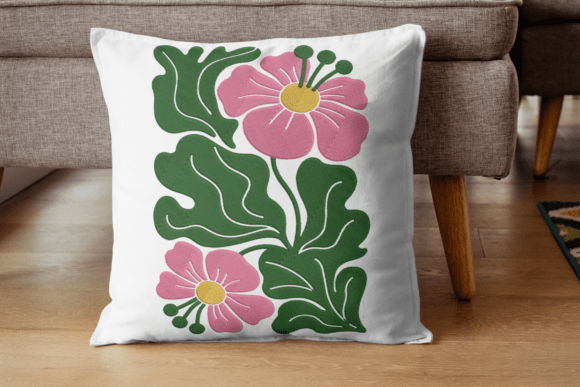
- Pillow covers and nursery decor: Soft stitch textures translate beautifully onto cotton or linen cushion covers. A single plant motif centered on a cover creates a high-end boutique look.
- Tote bags and canvas pouches: Small to medium placements on natural cotton totes give a sustainable, artisan feel. These sell well at craft fairs and on Etsy.
- Sweatshirts and custom apparel: A subtle left-chest placement on a crewneck sweatshirt can appeal to plant lovers who want wearable nature.
- Baby blankets and onesies: The calm mood works for modern nurseries. Keep the stitch count light and use soft, muted threads.
- Patches and caps: If sized right, this could become a charming, collectible embroidered patch. Caps need careful hooping, but a small plant design on a dad hat can perform surprisingly well.
- Seasonal handmade gifts: House plants are not seasonal in the traditional sense. They sell year-round, which means steady product potential for small business owners.
How House Plants Performs on Different Fabrics
When I evaluate a digital embroidery file for commercial embroidery use, fabric behavior is everything. You can’t just judge a design on flat cotton. Real orders come on textured, stretchy, dark, and frequently washed items. Here’s how House Plants may hold up across common surfaces, based on my experience with similar Single Flowers Plants designs.
On sturdy woven fabrics like canvas tote bags or linen kitchen towels, the leaf details should stitch with clarity, provided you use a sharp needle and a quality cutaway stabilizer. The natural fiber texture actually enhances the botanical mood. On stretchy fabrics like sweatshirt fleece or baby knit, you’ll want a firm backing and possibly a water-soluble topper to stop fine leaf tips from sinking in. Small delicate elements, especially tiny lettering if included, can close up quickly on plush surfaces.
Dark fabrics present a contrast challenge. If the House Plants design uses light or mid-tone thread on a dark background, the leaf outlines might pop beautifully. But if the given thread color palette leans soft and muted, I always test on a dark scrap first. You may need to swap a pastel for something slightly more saturated to maintain readability. The product photo on Creative Fabrica is a good starting point, but your own thread colors choice will define the finished product.
When stitching on curved surfaces like caps, hoop placement is tricky. I’d recommend testing only if House Plants is available in a small enough size to fit comfortably within a cap frame without distorting the leaf tips. Wide designs can buckle on the side curves. Always test on a structured cap before adding it to a customer order.
Stitch Quality, Density, and Small Details
One of my biggest concerns with plant-themed machine embroidery design files is stitch density in tiny leaf sections. If the digitizer packs too many stitches into a confined area, the needle can perforate the fabric or cause puckering, especially on lightweight cotton. My recommendation: test on a scrap piece that matches your final fabric weight. Watch for stiff, bulletproof patches of thread. A good plant design should feel soft and pliable, not like a plastic badge.
I always inspect the back of the test stitch and check for thread build-up around overlapping elements. In layered areas where one leaf crosses another, you might see slight bulk. Proper stabilizer choice—no-show mesh for lightweight items, cutaway for stretch—can manage this. If you plan to sell custom apparel, comfort is non-negotiable. No customer wants a scratchy, thick plant on their baby’s blanket.
Brand Consistency, Buyer Trust, and Visual Appeal
In a crowded handmade product market, tiny design choices create buyer trust. House Plants brings a reliable, gentle aesthetic that builds brand consistency across multiple product categories. If you list this design on a sweatshirt and also offer it on a kitchen towel, your shop’s visual feed stays cohesive. That’s huge for customer engagement and repeat purchases.
Giftability is another unspoken factor. Plant motifs feel safe yet personal. Someone buying a housewarming present doesn’t hesitate over a botanical tea towel the way they might over a trendy phrase. That translates to faster sales for shops focusing on boutique merchandise and personalized gift markets.
Product photography benefits too. A House Plants design, when stitched with careful thread choices and pressed well, photographs with gentle shadows and natural texture. Even flat-lay shots for Etsy listings or craft fair products carry a soft, editorial quality that invites clicks.
Practical Embroidery Notes Before You Stitch
Every designer develops a pre-stitch checklist. Mine for House Plants looks like this:
- Check the exact hoop size requirement on the Creative Fabrica product page.
- Confirm available file formats match your machine before download.
- Review stitch density in your embroidery software; manually reduce if needed for delicate fabrics.
- Test thread contrast on both light and dark background swatches.
- Use a proper stabilizer: cutaway for knits, tear-away for stable wovens, mesh for sheers.
- Inspect small leaf points and any running stitch details after the test stitch.
- Wash the test piece to see how it holds up. This is critical for items that need frequent washing.
- Never assume licensing terms. Verify commercial embroidery usage rights on the product page before selling finished items.
If the design includes tiny lettering or very fine veins on the leaves, stitch speed matters. Slowing down your machine on those sections can prevent thread breaks and skipped stitches. I also recommend a sharp needle, not a ballpoint, to get crisp leaf edges on woven fabric.
Creating Value for Etsy Sellers and Creative Entrepreneurs
For anyone building a product line around design assets from Creative Fabrica, House Plants offers a wonderful balance of broad appeal and niche specificity. It isn’t a generic flower. It feels curated, like a piece chosen by someone who understands modern plant aesthetics. That curatorial energy transfers directly into higher perceived product value.
I envision this design working beautifully as a mini collection. One product could feature a single plant; another could pair it with a subtle text or coordinate it with a second botanical motif. But even as a standalone single flower plants piece, it carries enough visual weight to anchor a finished product on its own.
When you present your embroidered items at a craft fair or in an Instagram shop, context matters. A tote bag with a single, well-placed plant design often outperforms a busy all-over pattern because it reads as more intentional. Shoppers attracted to clean, Scandinavian, or nature-inspired aesthetics will pause. That pause is often the difference between a like and a sale.
Final Thoughts from the Stitching Table
House Plants earns its spot in my production library because it answers a real need: designs that feel gentle, modern, and commercially versatile without being complicated. It’s the kind of embroidery file you can reach for on a tight deadline and trust it will stitch out cleanly if you’ve done your prep work. The nature-inspired mood translates across so many products that it’s genuinely hard to limit it to one category.
Always remember that even the most beautiful Creative Fabrica embroidery design is only as strong as your fabric, stabilizer, and thread choices. Take the time to stitch a sample block before a paid order. Check for thread density adjustments on your particular machine setup. And if you’re ever unsure about sizing or file details, pause and review the product page on Creative Fabrica before you stitch. Your quality control is what turns a simple plant motif into a product someone cherishes.
For those growing a handmade business rooted in thoughtful, botanical design, House Plants feels like a wise, quietly confident addition to your embroidery library.