Floral Mandala Embroidery File: A Designer's Review
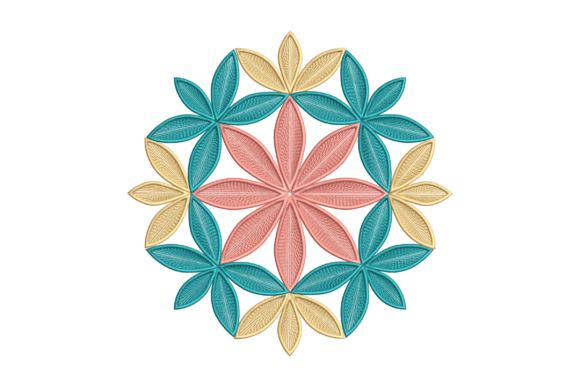
When a new embroidery file lands on my desk, the first thing I do is imagine it on a finished product, not just on screen. The Floral Mandala Embroidery File caught my attention immediately. It sits confidently in the Single Flowers Plants category, but there is far more happening here than a simple bloom. The mandala structure gives it a balanced, meditative quality that reads as intentional and grounded. For small business owners, that kind of visual composure matters. It tells customers you thought about the details.
My first impression is that this design walks a careful line between elegant and approachable. It has enough symmetry and repetition to feel classic and decorative, yet the floral elements keep it from becoming stiff or overly formal. I could see this working beautifully for a boutique florist wanting a signature patch on denim aprons, or a handmade candle brand looking for a subtle chest accent on work shirts. The mandala shape naturally draws the eye inward, which creates a focal point, exactly what you want in a branded machine embroidery design.
Visual Personality and Brand First Impressions
Every embroidery design carries a personality, and this one reads as warm, slightly rustic, and quietly premium. It does not shout. It does not need to. The floral mandala motif has a timeless quality that transcends trends, which is a smart investment for small business merch. If your brand identity revolves around craftsmanship, nature, wellness, or handmade authenticity, this design should feel like a natural extension of your visual language.
I tested the concept mentally across several brand types. For a small café, this would look exceptional embroidered on the left chest of a linen apron, perhaps in a muted terracotta or sage green thread. For a pet brand selling organic treats and bandanas, a scaled-down version on a canvas tote bag would reinforce the earthy, handcrafted feel. The mandala shape also carries subtle cultural associations with mindfulness and artistry, which can elevate a handmade product without overwhelming it. That is a rare balance to strike.
Practical Performance in Real Business Use
The true test of any embroidery file is not how it looks in a preview window. It is how it performs on real fabric, under real production conditions, with real thread. Thinking through the application scenarios helped me evaluate where this design would shine and where it might need careful testing.
Embroidered Patches for Branded Merchandise
Patches are having a serious moment in custom apparel and branded merchandise. The Floral Mandala Embroidery File has strong patch potential because its circular structure creates a natural border. When digitized well, mandala designs can produce clean, self-contained patches that feel intentional and complete. I would recommend running a test on felt or twill backing first, then evaluating the edge finish. If the outer petals have fine detail, a merrowed edge might crowd them, so consider a laser-cut patch shape or a wider border allowance. For Etsy sellers and craft business owners, offering an embroidered patch version of your brand mark creates an upsell opportunity that customers genuinely appreciate.
Staff Uniforms and Apron Embroidery
Hospitality businesses, bakeries, florists, and boutique retail shops often underestimate the impact of consistent apron embroidery. A well-placed design on a uniform does more than identify staff. It communicates professionalism and care. This mandala design would work well as a left-chest accent on a bib apron, especially if your brand colors are earthy, muted, or botanical. I would caution against placing it too high on the chest if the design has significant stitch density, as heavy embroidery on thin apron fabric can pucker without proper stabilizer. Always use a cut-away stabilizer on woven aprons and test wash durability before committing to a full staff order.
Cap Embroidery and Curved Surfaces
Cap embroidery presents unique challenges. The curved surface, center seam, and structured panels demand designs that adapt well to distortion. A mandala shape can work on a cap front, but you must check the sizing carefully. If the design is too large, it will wrap awkwardly around the side panels. If it is too dense, the cap face will stiffen and lose its natural shape. I would recommend scaling this design down for cap use, perhaps as a center-front emblem no larger than 2.2 inches wide. Run a test on a structured six-panel cap and inspect how the circular elements hold their shape across the center seam.
Tote Bag Design and Fabric Texture
Canvas tote bags are one of the most forgiving surfaces for machine embroidery design, but they come with their own quirks. Thick cotton canvas handles high stitch density well, but the coarse weave can swallow fine details. The mandala's layered petals and decorative elements need enough breathing room to remain legible. If you are planning a tote bag design for a product line or event merch, test the file on the actual bag material, not just on quilting cotton. Use a medium-weight tear-away stabilizer and a sharp needle. The result should feel embedded in the fabric, not sitting on top of it.
Where to Be Careful and What to Test
No design file is universally perfect. The Floral Mandala Embroidery File has characteristics that demand respect during production. I always tell my clients to test thoroughly before ordering fifty units of anything.
- Small patch sizes. Mandala designs often contain concentric details that close up when scaled too small. Test at your intended patch size and verify that inner elements remain distinct.
- High stitch density. Floral mandalas can accumulate significant stitch counts in a small area. On lightweight fabrics, this causes puckering. Adjust density settings if your software allows it.
- Dark uniforms. Light thread on dark fabric shows every gap. Inspect the design on black or navy material before production to ensure sufficient coverage.
- Curved surfaces. Caps, sleeve ends, and bag corners distort circular shapes. Always test on the actual product, not just on flat fabric.
- Frequent washing. Staff uniforms go through industrial laundry cycles. Test wash durability at least five times and check for thread breaks, fraying, and distortion.
- Tiny details. Fine lines and delicate petal edges can disappear on textured fabrics like fleece, denim, or loop-back terry. Choose smooth, tightly woven substrates for best results.
How This Design Affects Brand Identity and Customer Trust
Branding is not just a logo. It is the cumulative effect of every visual decision you make. When a customer encounters your embroidered merchandise, they form judgments in seconds. A clean, well-executed mandala design signals attention to detail, patience, and quality. These are exactly the associations that build customer trust and encourage repeat purchases.
The Floral Mandala Embroidery File can strengthen brand identity in subtle but meaningful ways. Its symmetry and repetition create a sense of order and reliability. Its floral nature evokes growth, creativity, and natural beauty. For a handmade business, these emotional cues are powerful. They tell a story without words. When used consistently across product labels, packaging accents, and staff apparel, the design becomes a recognizable signature that sets your brand apart from generic competitors.
Visual consistency also affects perceived professionalism. If your tote bags, aprons, and patches all feature the same well-digitized mandala motif, customers perceive your operation as established and trustworthy. That perception directly influences product value and pricing power. A simple cotton tote becomes a premium item when it carries thoughtful, well-executed embroidery. That is the difference between a ten-dollar bag and a twenty-five-dollar bag.
Embroidery Designer Notes from the Studio
Over years of working with digital embroidery file assets, I have developed a checklist that saves time, materials, and reputation. Here is what I recommend before you put this design into production for any business purpose.
- Test in black and white first. Remove color from the equation. A design that reads clearly in monochrome will work in any thread palette. If the values blend together in black and white, adjust your contrast strategy.
- Check small patch size readability. Embroider the design at the smallest size you intend to use. Hold it at arm's length. If details disappear, scale up or simplify.
- Review thread color contrast. Mandalas thrive on subtle tonal shifts. Test adjacent thread colors under different lighting conditions to ensure petals and layers remain distinct.
- Inspect spacing between elements. Tight spacing looks beautiful on screen but can cause thread buildup and needle breaks. Verify that your machine handles the spacing without issues.
- Confirm hoop size compatibility. Do not assume the file fits your standard hoop. Measure the design dimensions and match them to your available hoops before starting.
- Test on real fabric. Muslin tests are fine for initial checks, but final approval should happen on the actual product material, whether that is denim, canvas, twill, or performance fabric.
- Use proper stabilizer for the fabric type. Woven fabrics need cut-away stabilizer. Knits need a topper to prevent stitches from sinking. Canvas needs tear-away. Match the stabilizer to the substrate.
- Create a printable mockup for client approval. Before stitching a single unit for a client, generate a digital preview or printable mockup showing placement, scale, and thread colors. Get written approval.
- Compare beside other design assets. If this mandala will sit alongside typography, logo marks, or other design assets, stitch them side by side on a test piece to check visual harmony.
- Confirm commercial licensing before business use. Not all embroidery files come with commercial embroidery rights. Verify the license terms and ensure you are cleared to use the design on products you sell.
Suggested Business Applications Worth Exploring
The versatility of the Floral Mandala Embroidery File opens doors across multiple product categories. For small business owners building a cohesive merchandise line, here are applications where this design could deliver strong returns.
- Boutique merchandise. Embroider the mandala on the back of denim jackets, the cuff of a chambray shirt, or the pocket of a canvas apron for a curated, high-end feel.
- Customer gifts. Stitch the design onto linen pouches, lavender sachets, or small zipper bags as a memorable thank-you gift with purchase.
- Event merch. For pop-up markets, workshops, or brand activations, create limited-edition patches or mini tote bags featuring the mandala in event-specific thread colors.
- Etsy branding. Use the design on your packaging, such as embroidered fabric tags or stitched wrapping accents, to reinforce your brand identity with every order.
- Craft business assets. Incorporate the embroidery into product photography backdrops, studio aprons, or market booth displays to create a cohesive visual presence.
- Product packaging accents. A small embroidered element on a fabric bag or box wrap adds tactile luxury that printed packaging simply cannot replicate.
Final Thoughts Before Production
After spending time with this design, I consider the Floral Mandala Embroidery File a strong contender for small businesses that value subtle elegance over loud branding. Its mandala structure provides natural balance, its floral character keeps it warm and inviting, and its versatility across patch, apparel, and accessory applications makes it a practical investment. The Embroidery category classification under Single Flowers Plants only tells part of the story. This design is really a branding tool disguised as a decorative motif.
As with any machine embroidery design, the magic lives in the testing. Run your samples. Wash them. Stretch them. Examine them under different light. Let your production process reveal what the preview screen cannot. When a design performs well across fabric types, wash cycles, and viewing distances, it earns its place in your finished product lineup. This mandala has that potential, provided you treat it with the care and preparation that professional embroidery demands.
Your customers will notice the difference. They may not articulate why an embroidered patch or an apron accent feels more valuable, but they will sense it. That quiet confidence, that unspoken quality signal, is exactly what turns a simple embroidered motif into a genuine business asset.