A Professional Designer's Review of Sunflower Love for Branded Merchandise
When a new embroidery file lands in my library, I always ask one core business question: can this design carry a brand? Today, I'm evaluating Sunflower Love, a single flower design from the Plants category, specifically for its potential in small business merchandise and branded patches. My review isn't about decoration; it's about how this machine embroidery design functions as a tool for building customer trust, visual consistency, and product value.
First Impression: A Friendly, Premium Brand Accent
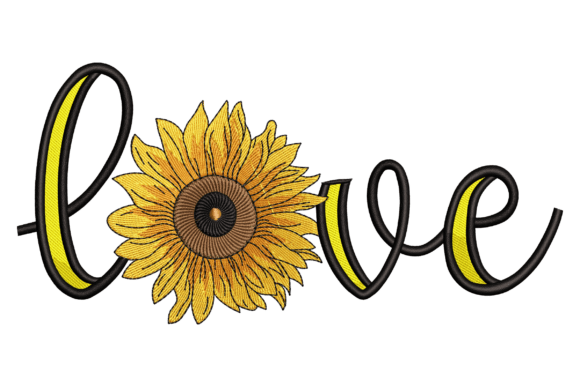
The title Sunflower Love immediately sets a warm, inviting tone. This isn't a stark botanical study; it's a bright and cheerful design with a "loving touch," as described. For a business, this visual personality translates directly to brand identity. It feels professional yet approachable, classic with a handmade warmth. For a café, boutique, florist, bakery, or any local business wanting to project a friendly, nature-connected image, this embroidery file offers a strong starting point. The sunflower motif is universally positive, making it a safe but impactful choice for customer engagement.
Performance in Real Business Applications
My primary focus is on how Sunflower Love performs when stitched out for commercial use. Let's break down its potential across key merchandise categories.
Embroidered Patches and Product Labels
For creating custom embroidered patches, the design's composition is crucial. A well-defined central flower with clear outlines—as suggested by the description—is ideal for patch conversion. This allows a small business, pet brand, or creative studio to produce branded patches for uniforms, tote bags, or as standalone product labels sewn onto handmade items. The "bright and cheerful" aspect means it likely uses contrasting thread colors, which is excellent for recognition on dark work shirts or aprons.
Staff Uniforms and Apparel Branding
For chest logos, sleeve details, or apron embroidery, scale is everything. Before production, I always test a design like Sunflower Love at the intended small size—perhaps for a cap front or a discreet uniform accent. You must check if the "loving touch" details, possibly delicate lines or textural elements, remain clear at a 2-inch height. This ensures the design maintains its premium feel on staff polos or work shirts without becoming a muddy blob.
Tote Bags, Caps, and Customer Gifts
As a tote bag design or cap embroidery, Sunflower Love aligns perfectly with the described use for gifts for nature lovers. This makes it a powerful asset for event merch, boutique merchandise, or customer loyalty gifts. A well-embroidered tote with this design elevates a simple product into a branded, handmade presentation. For curved surfaces like caps, testing on actual fabric with proper stabilizer is mandatory to assess distortion.
Critical Considerations for Professional Use
Success with any embroidery file in business hinges on practical foresight. Here are key points to scrutinize with Sunflower Love before committing to production.
Navigating Size, Density, and Fabric
Scale Down Carefully: The most common pitfall is using a design meant for larger home decor on a tiny patch. I advise creating a test stitch-out at your smallest intended application size, like a 1.5-inch patch for a product label. Check if the design's elements remain distinct.
Stitch Density and Washability: Designs with high stitch density can be stiff and may not withstand frequent washing on uniforms. While the description doesn't specify density, testing Sunflower Love on the actual fabric—like a chef's apron or a service staff polo—will reveal its durability. Always use the correct stabilizer.
Thread Color Contrast: For dark uniforms or bags, verify that the suggested thread palette offers enough contrast. A "bright" design might rely on light colors that fade on dark backgrounds. Sometimes, I test a version in monochrome first to evaluate the core contrast of the shapes.
Integration into Your Brand Ecosystem
Sunflower Love shouldn't live alone. Compare it beside your other design assets in a printable mockup. Does it feel visually consistent with your logo, packaging, and overall brand identity? A single flower design can be a perfect accent, adding a handmade presentation that boosts product value, but it must harmonize with your existing visual language.
The Designer's Workflow for Client Approval
Before I use any digital embroidery file for a client's merchandise, I follow a disciplined process. For a design like Sunflower Love, I would apply the same steps.
- Confirm Commercial Licensing: The product description does not mention license terms. It is imperative to verify that the Sunflower Love embroidery file comes with a license for commercial embroidery and business use before producing any merch.
- Create a Physical Test: Hoop size, fabric texture, and stabilizer choice are tested on real samples—a denim tote bag, a cotton cap, a polyester uniform. This reveals how the "loving touch" translates to thread.
- Generate Application Mockups: I place the stitched sample or a digital mockup onto images of the final products—aprons, caps, tote bags—for client approval. This visualizes the brand identity impact.
- Review for Production Scaling: If the boutique or Etsy seller plans to order 50 patches, the design must perform consistently. Testing across multiple hoopings checks for any alignment or spacing issues.
Final Verdict on Business Value
Sunflower Love, as described, presents a strong candidate for businesses seeking a nature-inspired, cheerful brand accent. Its potential as an embroidered patch, uniform detail, or tote bag mark is high, provided its technical execution matches its friendly aesthetic. The true value lies not in the file itself, but in how it is applied: a well-embroidered Sunflower Love patch on a staff apron signals craftsmanship; on a boutique's tote, it adds perceived value; on a cap for a garden center, it builds immediate recognition.
For embroidery shops, apparel decorators, and merch creators servicing small businesses, this design fills a specific niche in the Single Flowers Plants category. It offers a ready-made solution for clients wanting to inject warmth and a handmade feel into their commercial embroidery projects. My ultimate advice is to treat it as a business asset: test meticulously, integrate thoughtfully, and always, always verify the commercial use license to protect your client's brand and your professional reputation.